The financial architecture of five very different estates — all built without outside investment
April 10, 2026
Agri-tourism often looks like a simple formula: Combine a village farm with a few guest rooms. However, the financial reality behind the scenes is far more complex. By examining five distinct Sri Lankan models -
the design-led Trebartha East
the socially-focused Tekanda Lodge
the impact-driven AMBA Estate
the locally-integrated Go Yala Farm
the sustainability-focused Midigama Fruit Farm
This article explores how these estates achieve a delicate balance between financial stability and the owners’ deepest passions; from social empowerment to regenerative farming.
Read the introduction of each agri-stay here.
Trebartha East
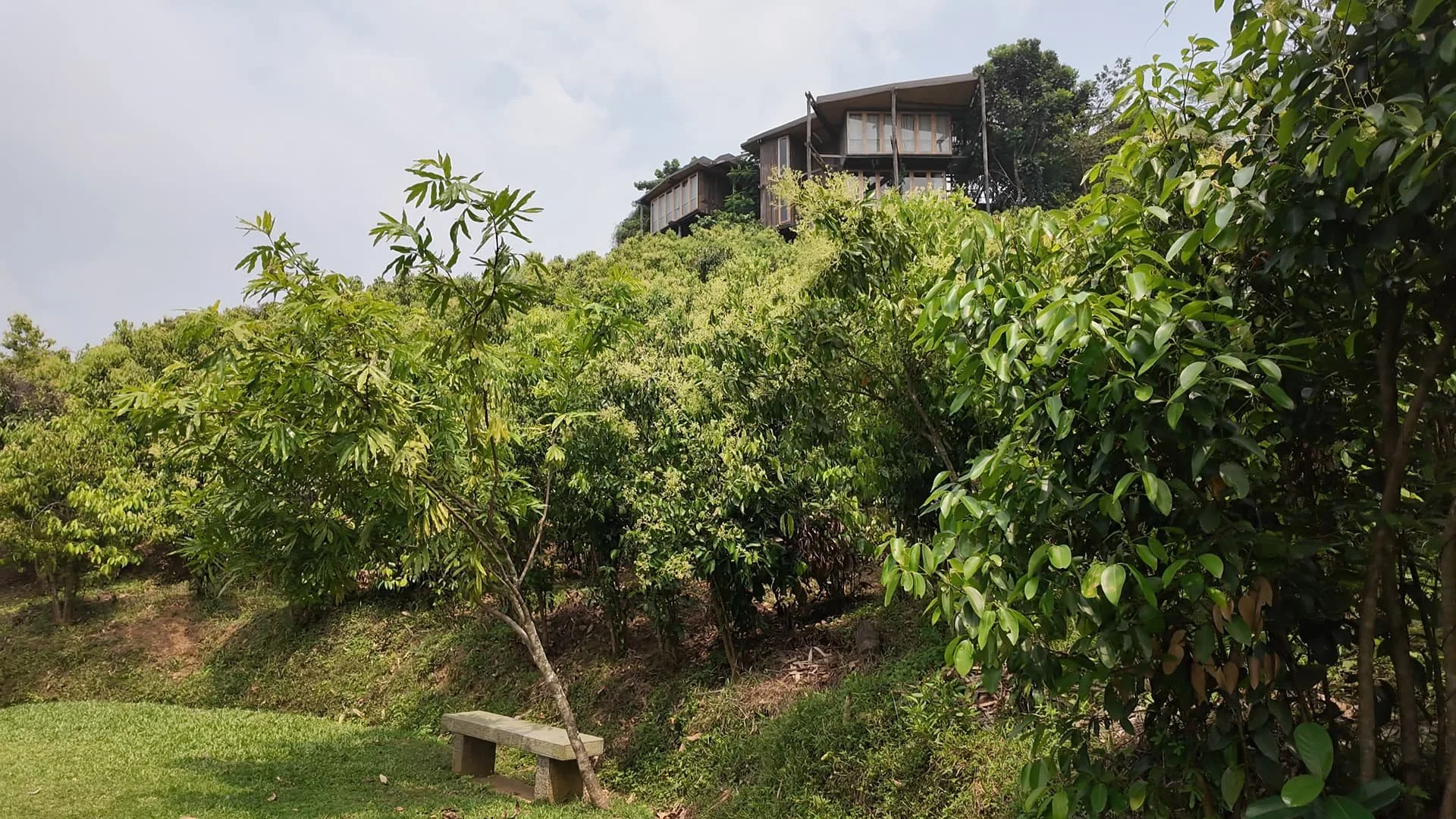
When you search for "Trebartha: The Round House," your first impression is defined by architecture, not agriculture. For owners Patrick and Benny, the 12-acre cinnamon plantation wasn't a strategic choice, but it became its defining asset. However, this inherited landscape became the property's defining feature; without the plantation, the view from the Round House would be… less aesthetic, to say the least.
For guests, the draw is design, privacy, and serenity. The combination of the unique Round House with its plantation strengthens a secluded and peaceful feel. That is why it is not just an aesthetic backdrop, but it creates the Trebartha East experience.
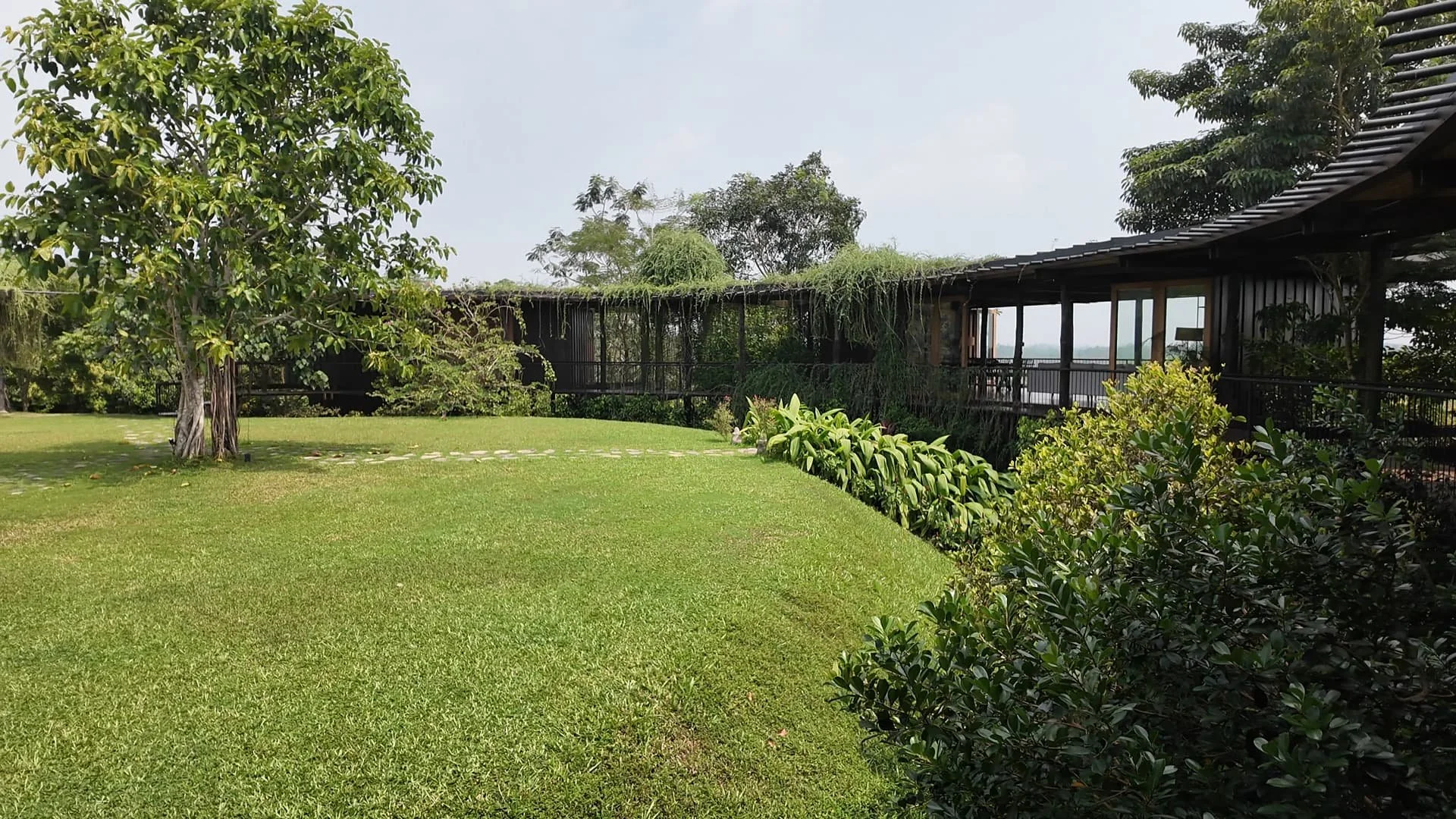
While a garden walk is available, it is optional and not always requested. Financially, this reveals a specific hierarchy: Trebartha is accommodation-led. While the cinnamon crop is harvested and sold to nearby factories, it remains a commodity with structurally lower-margin. In practice, the plantation acts as a self-funding landscape. In other words, it generates enough revenue to cover its own maintenance and gardeners, but it is the luxury rooms that drive the actual profit.
Even if tourist travel stops for a while, the owners are not under too much pressure as they initially envisioned building a holiday home far from the cold UK climate.
Since opening in early 2023, the resort has already found its footing and turned cash-flow positive. While they initially did not plan to buy such a big land, they have realised that the plantation is the reason why their business works.
Patrick and Benny haven't abandoned their original dream: they are currently back in "builder mode”, constructing a private bungalow on the estate for themselves. Interestingly, they’ve decided to move away from timber for this new project. More on that later.
Tekanda Lodge:
When you book one of the six bedrooms at this luxurious hilltop stay, you might not realise that you sustain two other projects that lie closer to the owners' hearts. Richard and Charlie bought this land in 2016 without a clear plan. When they decided to build something for commercial purposes, Charlie—with her background in education—wanted to do more than just run a boutique lodge. As a result, they started the Tekanda Foundation, their second project, shortly after the lodge opened its doors. Thirdly, they thoughtfully developed the 10-acre estate by dividing it into four sections to showcase Sri Lanka: 1) a local traditional home garden, 2) organic agricultural industry, 3) a botanical garden, and 4) untouched jungle. So how do they actually keep all three projects financially afloat?
The couple loves what they do with the three projects, so maximising profits is not their primary goal. Time wise, they are busiest with the foundation, which is also their favourite project. Richard even coaches the girls’ cricket team, week in and week out, all in Sinhala.
As the land is divided into four sections, it features a vast array of plants, flowers, and crops. While they keep a small portion of the harvest for their own kitchen, they sell the tea and cinnamon to nearby factories.
As for the empowerment centre, the Tekanda Foundation, they finance about a quarter of it themselves. So who finances the other 75%? The three other main patrons who started it with Richard and Charlie, as well as a handful of regular donors. When I asked if they receive many donations from guests, Richard told me they could probably promote it much better and receive more donations, but that is not what they want. The empowerment centre is built out of pure and genuine intention, and they would not want their guests to get any other impression. To maintain the integrity of their mission, the founders have structured their funding to avoid the pressure of constant public fundraising. By partnering with three founding patrons and establishing a recent network of an additional eight patrons, they have secured a stable financial base. This independence allows them to keep the foundation’s work genuine and community-focused, removing the need to market the project to guests or tour agencies—a commercialisation they are deeply committed to avoiding. Read here more about the social practices of the Tekanda Foundation.
The three projects work perfectly together—that is, as long as there is no pandemic, economic crisis, or war affecting tourism.
AMBA Estate:
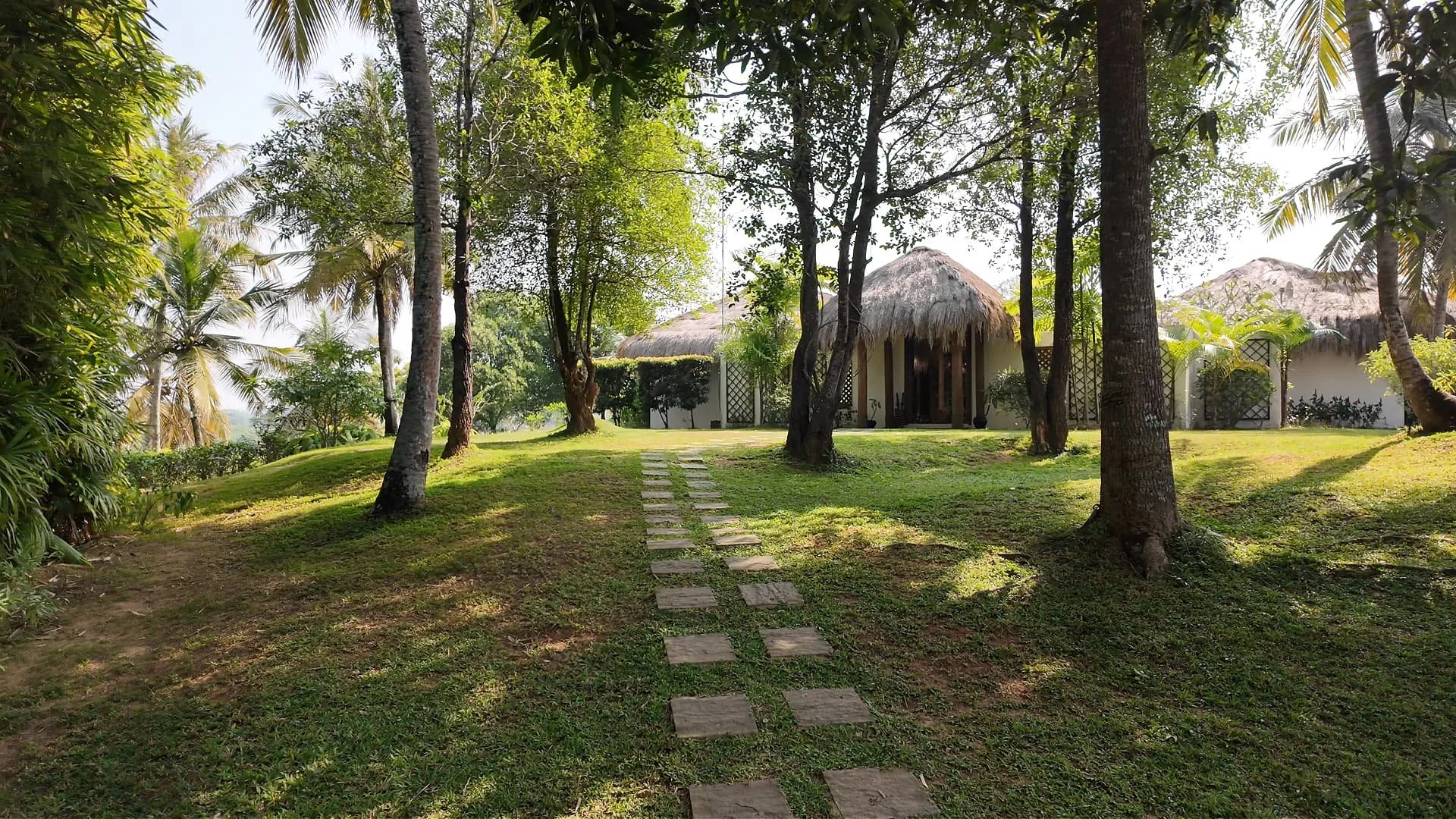
AMBA Estate operates as a pure social enterprise with a singular focus: maximising local income and employment through value-added exports. The four founding friends, who remain the sole investors, demonstrated extraordinary patience by waiting ten years before the estate generated a cash-flow profit in 2016. Since then, they have never taken a dividend. Instead, they’ve established a high-impact model where 10% of total revenue is paid directly to employees as bonuses, while all remaining profits are reinvested into the estate’s infrastructure and local ventures. This structure hasn't just provided jobs; it has fundamentally transformed the financial trajectory of the entire valley.
While tourism is the primary engine of AMBA’s growth, their award-winning tea serves as a vital safeguard, ensuring the estate remains profitable even when the travel industry stalls. The $5 daily tea tour functions less as a profit centre and more as a conversion mechanism. Visitors finish the tour in the farm shop, where retail sales generate revenue comparable to exports. The real margin lies not in raw leaf sales, but in processing, branding, and direct-to-consumer retail.
For four years, from the Easter bombings until the end of COVID-19 (~2019-2022), AMBA lost a huge part of their tourism income. In some periods even 100% of their tourist income: Accommodation, tours, workshops, and shop traffic. Yet the estate did not lay off staff or reduce salaries. They were able to survive from their exports, but were living from bill to bill. While diversification and local supply chain is their mission, Simon Bell realised it became their resilience strategy during those four difficult years. When tourists started coming back, AMBA did not have any supply chain issues because everything comes from around the area. Read more how AMBA ensures to source from Sri Lanka to empower the local economy.
AMBA’s main attractions are the products and everything that comes with them. Because of their award-winning artisanal tea and their core identity as a social enterprise, shops and customers usually come to them. That is why they never had a salesperson until recently. With more sales, they can focus more on their motto, “If it grows, turn it into a product!”, and on their main goal: Encouraging and helping locals to start their own businesses in tourism. Read more about how AMBA encourages locals to start their own venture.
Go Yala Farm
As the name suggests, Go Yala Farm is a farm owned by a local family in Tissamaharama, near Yala. For those who haven’t been to Sri Lanka: Many tourists stay in Tissamaharama for 1-2 nights to see leopards, elephants, and monkeys in Yala National Park.
To make stays in this small town more worthwhile, the owner, Sahan, started to build several lodges on his family’s farm. From a dormitory room to a family room, he caters to several different audiences. With an eco-kitchen in the making and a farm tour on arrival, he makes travellers enthusiastic about what nature has to offer. Since the farm is within walking distance of a lake, water buffaloes can be spotted during the day, and even elephants and crocodiles at night. If it wasn’t for the leopards, you would not even need to visit Yala National Park! - Don’t worry, the farm is surrounded by a fence to ensure safety. You can read more about how agri-stays live with wild-life in this article.
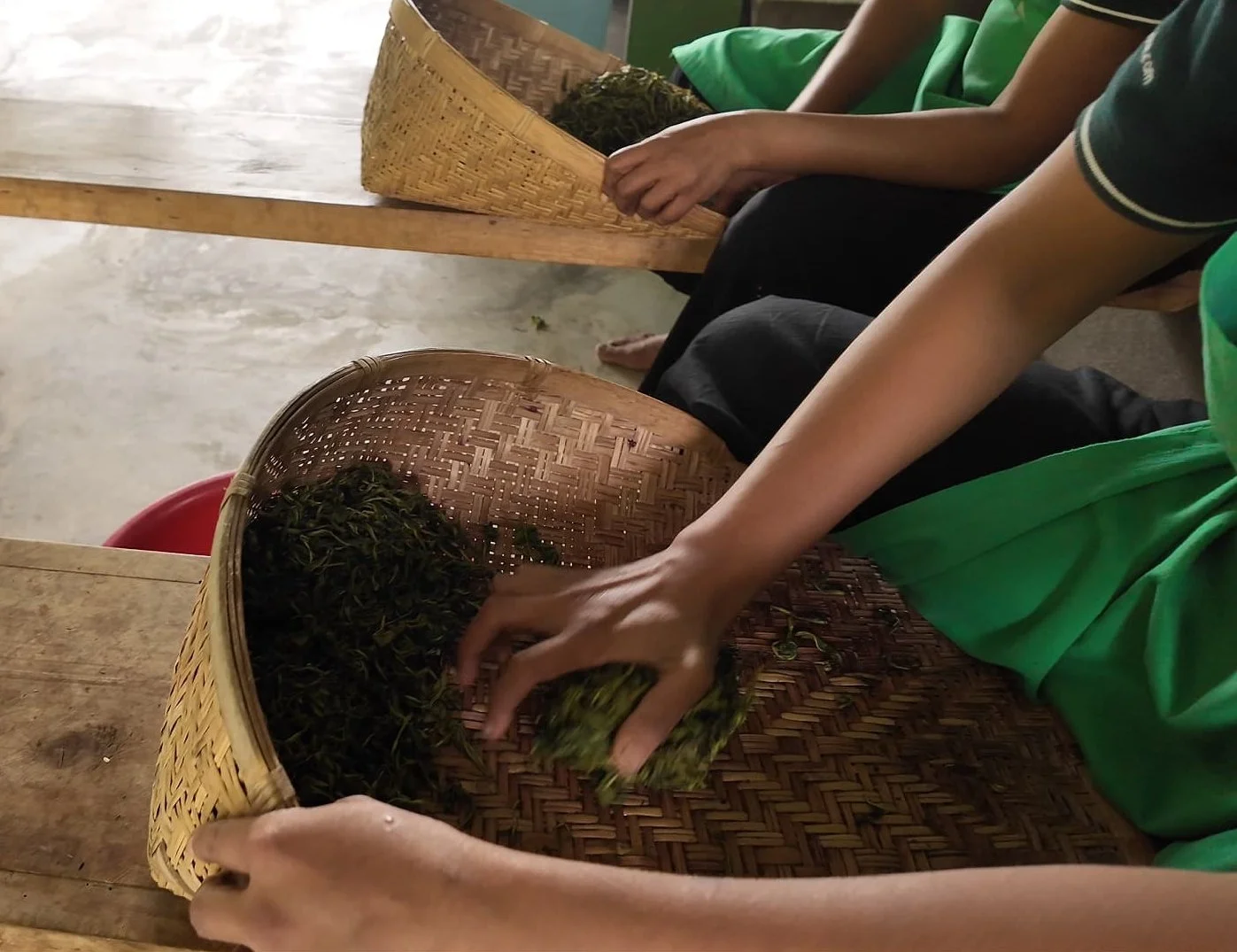
This farm can survive without tourists, and it did during COVID-19. The farm sells many vegetables, fruits, and eggs to local buyers, as the family has been doing for decades. This revenue ensures it can pay the handful of employees that work on the farm. Tourism makes the business much more profitable but comes with its own difficulties. When Sahan first built wooden lodges with a natural feel to attract tourists, the combination of pests and the pandemic resulted in fewer bookings. After COVID-19, he built concrete lodges with a bit more luxury. While Go Yala Farm does not focus heavily on online marketing presence, Sahan brings in 70% of his tourists through his diving schools in Weligama and Trincomalee. This shows that two ventures can help each other financially, just like Tekanda Lodge and Tekanda Foundation.
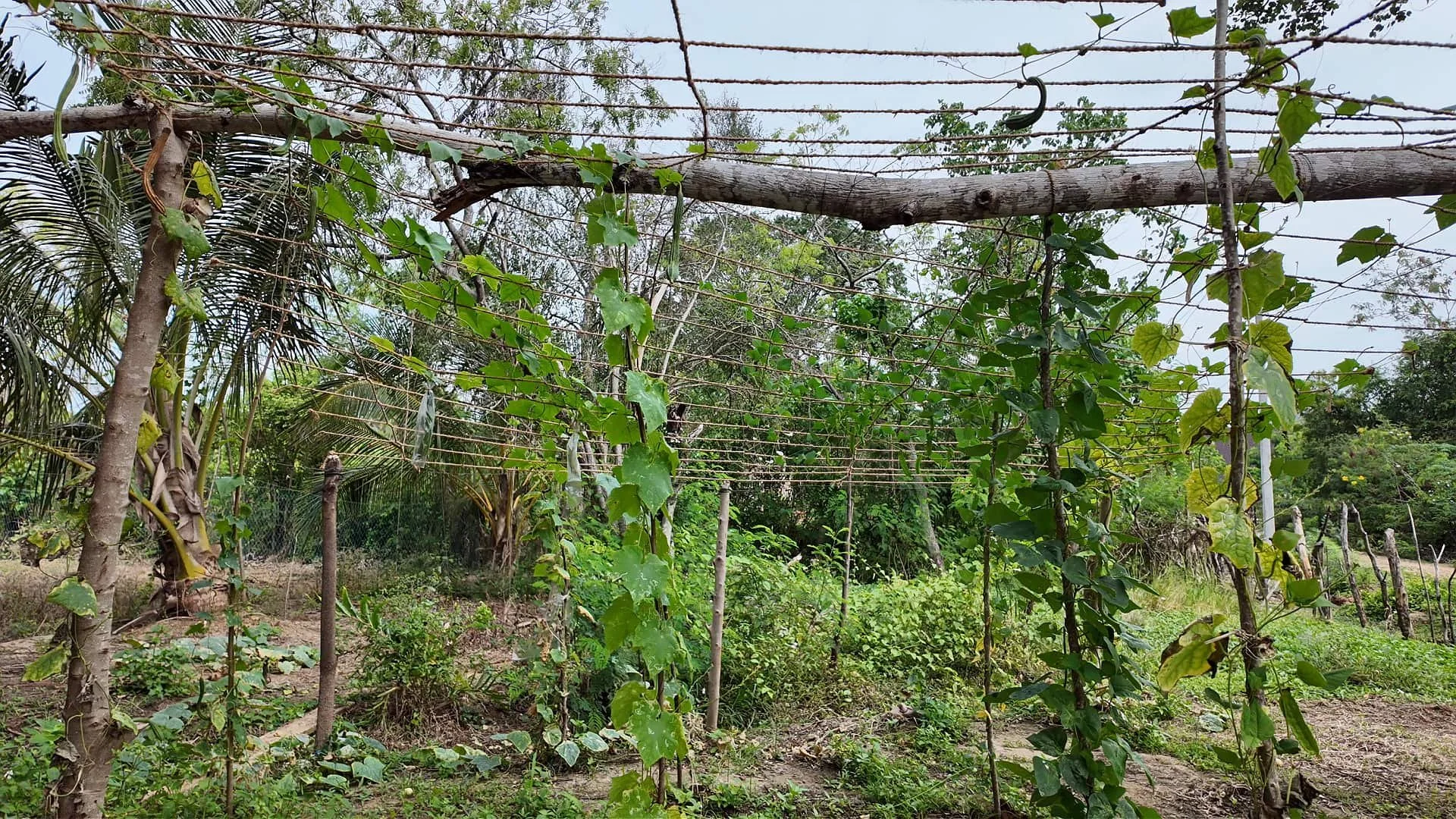
Sahan is candid about the advantages that helped Go Yala Farm thrive: the family already owned the land, and he already understood the traveller's mindset. This combination is rare. He points to the neighboring plots as a cautionary tale: investors bought land and built cabanas, but without the agricultural roots or the tourism network Sahan possesses, they eventually folded. Now, they are asking Sahan to buy them out.
Midigama Fruit Farm (MFF):
This fruit farm is soo much more than a fruit farm. In 2022, Chathura Udayanga and two co-founders bought the land that was once famous for its value-added fruit products, hence the name. The three founders bought the land to focus on regenerative agriculture by inter-cropping, using nature-based pest controls, and collaborating with universities to research regenerative practices.
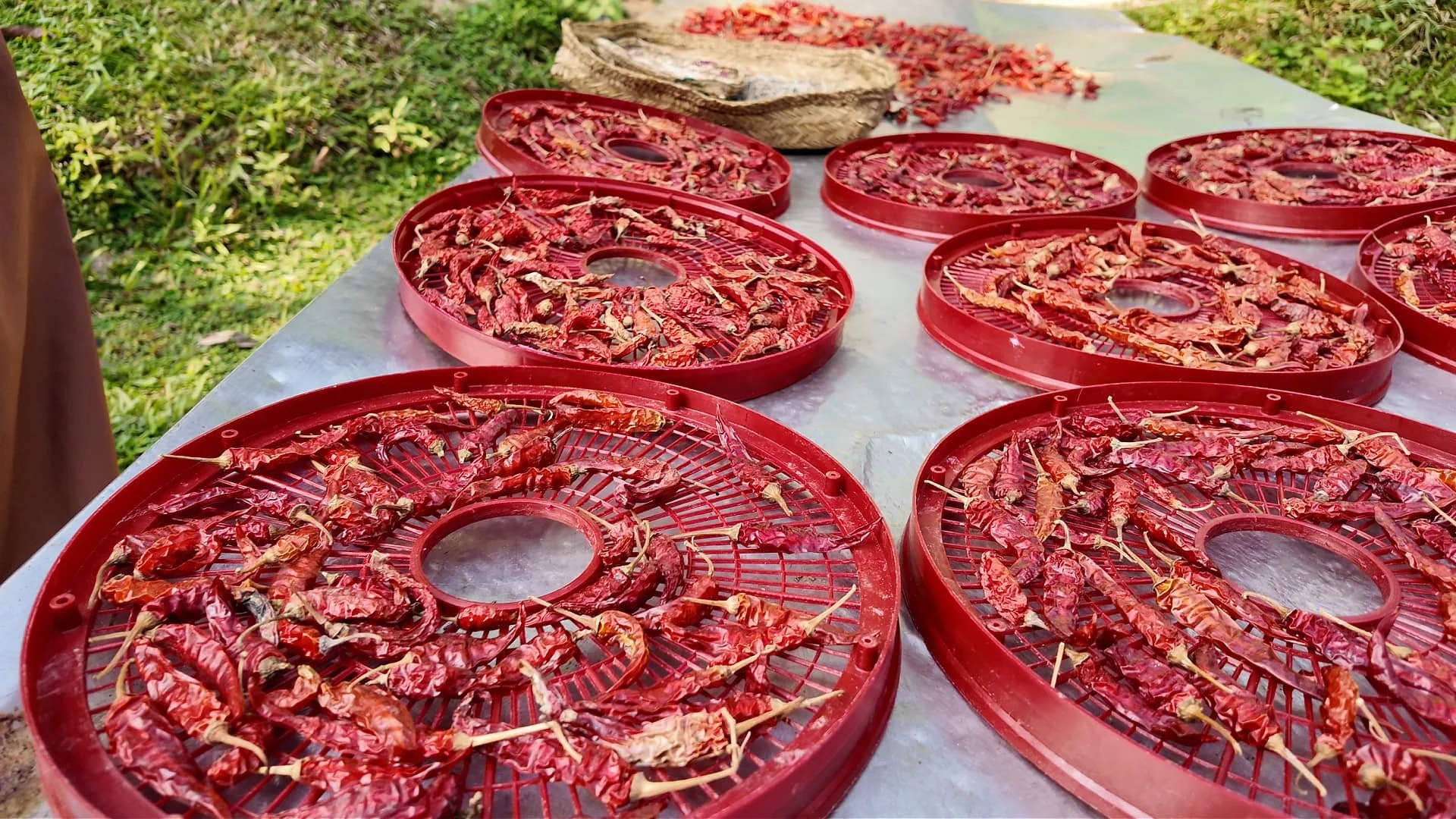
The first time I spoke with Chathura, he told me that after buying the land, they noticed people in Sri Lanka wouldn’t pay more for organic products. At the same time, Midigama and especially its neighbour Ahangama were becoming more popular with tourists. That is why they pivoted into an agri-tourism business rather than just an agricultural business. Through value-added products and workshops like cooking classes, farm workshops, juices, and bee experiences, they aim to make a higher profit. They also built a dormitory and partnered with a yoga studio on their land to attract foreign visitors. With higher profits from tourism, it is possible to offer a more attractive price for their organic crops that they sell locally. Read here why they won’t sell their crops in Colombo.
Even though the three founders did not use outside investment to start Midigama Fruit Farm, they are currently in conversation with investors for their sister company to build eco-lodges. The 15 to 30 eco-lodges will be constructed with natural materials and be a good middle ground in terms of luxury; not too basic, but not too exclusive either. Chathura concluded that even though their passion is with the fruit farm and regenerative practices, they have to have a financial gain as well.
Since they are pivoting to rely on tourism more and more, I asked if MFF can survive without international guests. Chathura told me that Sri Lanka is a resilient country. Almost every year there is something: Easter bombings, COVID, financial crisis, political unrest, and floods. He chuckles and says that they will get through it: “In dark times, some people try to wake up, but you need to learn to overcome the dark times. In Sri Lanka, you need to accept these facts. Anything is possible here.”
Every owner has their own initial assets and goals that shape the importance of profits for both the plantation and the accommodation. So, while agri-tourism looks replicable on the surface, in reality, each of these models is anchored in an advantage that is not easily replicated—inherited land, existing tourist traffic, or strong product-branding capability. Without one of those structural anchors, combining a farm and rooms may create narrative value, but not necessarily the edge required for financial resilience. And if things don’t work, you just need to listen to what the world wants, and pivot.
I hope this article gave you a little bit of insight into how different businesses in agri-tourism take root.