Agri-tourism looks like a simple formula: combine a village farm with a few guest rooms. The financial reality is far more complex. Across five distinct Sri Lankan models, this article explores how each balances financial stability with the owners' deepest passions — from social empowerment to regenerative farming.
the design-led Trebartha East
the socially-focused Tekanda Lodge
the impact-driven AMBA Estate
the locally-integrated Go Yala Farm
the sustainability-focused Midigama Fruit Farm
Read the introduction of each agri-stay here.
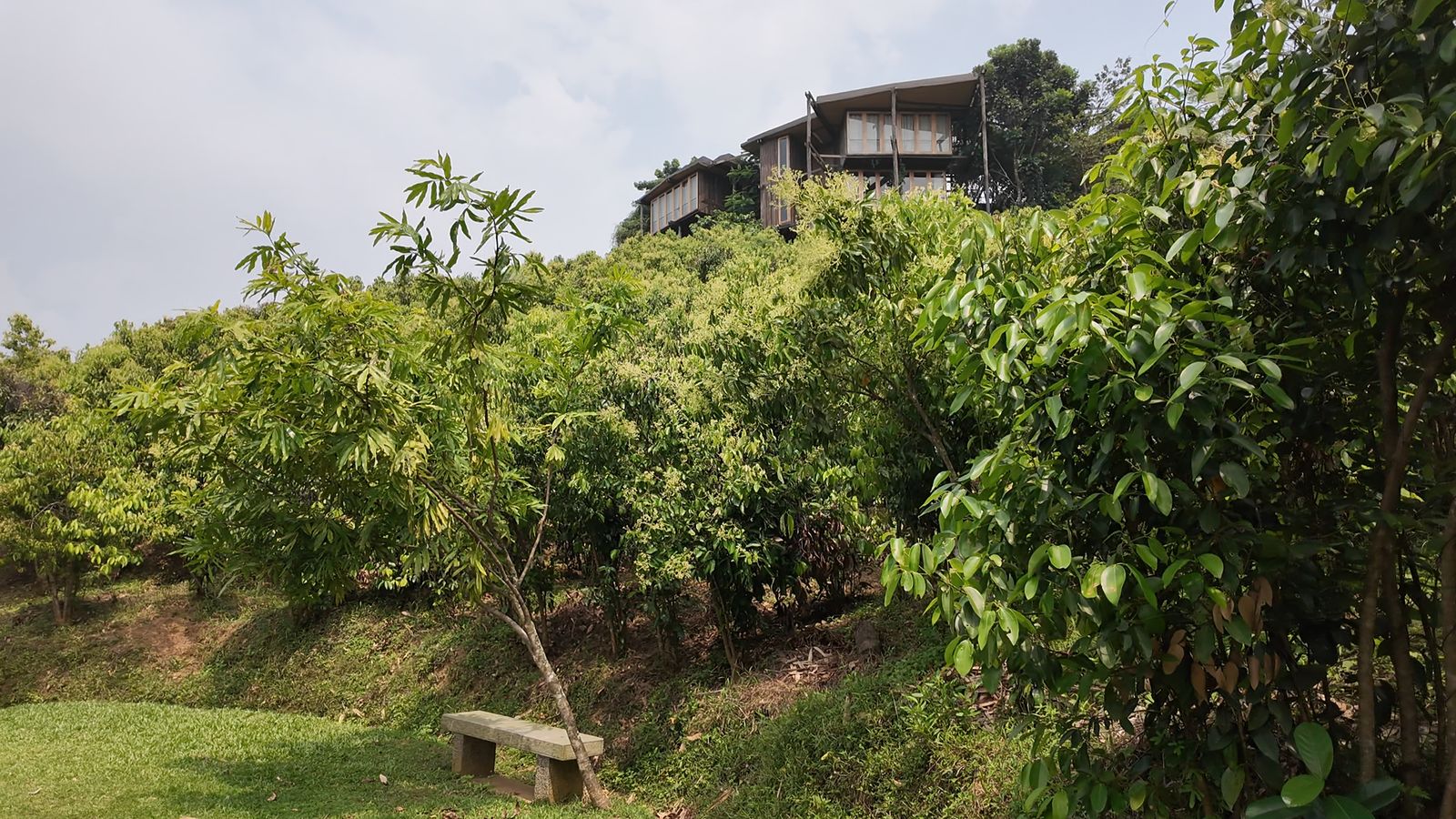
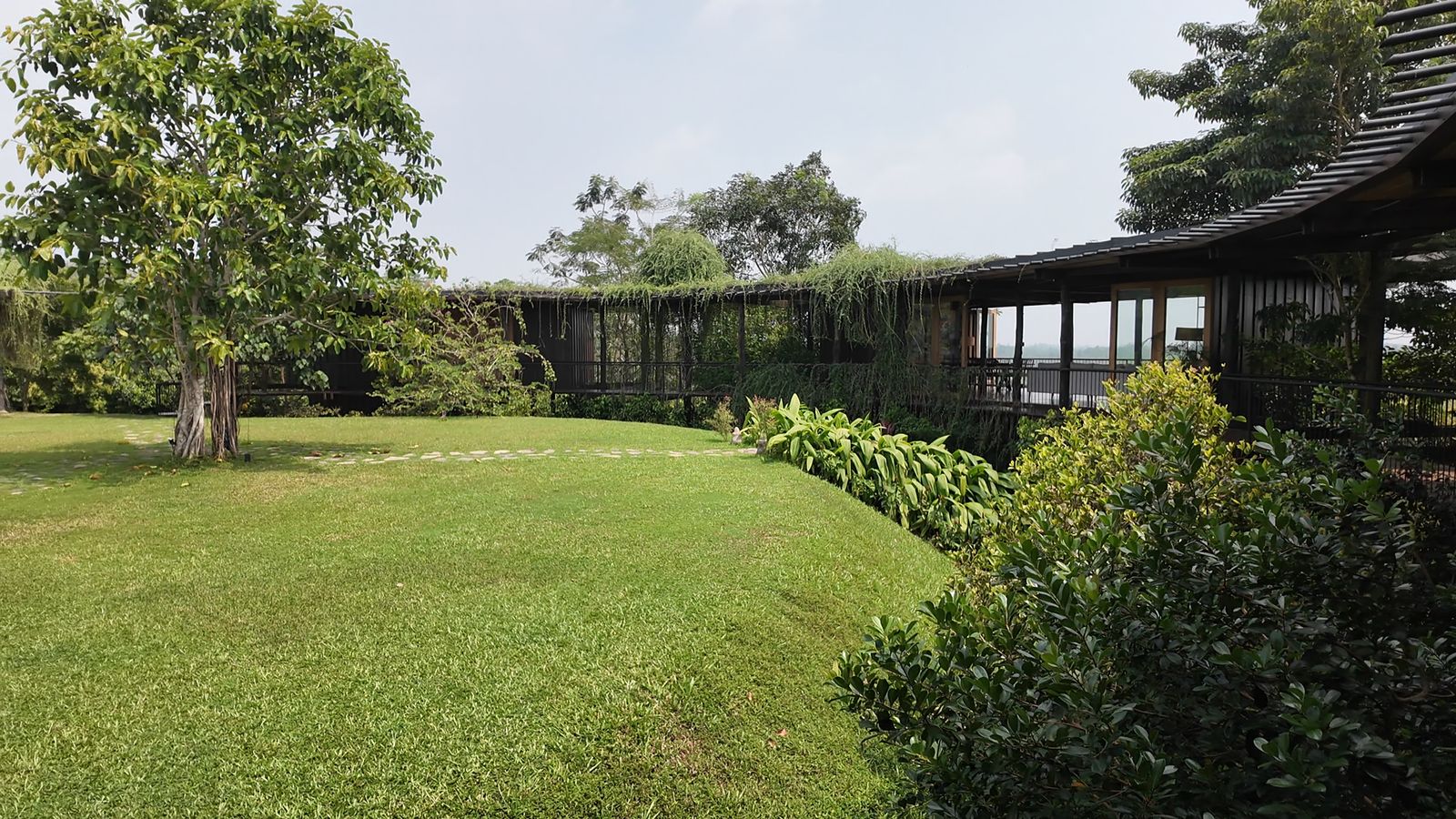
Trebartha East
At Trebartha, the first impression is architecture, not agriculture. For owners Patrick and Benny, the inherited 12-acre cinnamon plantation wasn't a strategic choice — yet it became the property's defining asset. Without it, the view from the Round House would be far less striking.
Financially, Trebartha is accommodation-led. The cinnamon is sold to nearby factories but, as a commodity, earns thin margins. In practice the plantation is a self-funding landscape: it covers its own maintenance and gardeners, while the luxury rooms drive the profit.
The owners feel little pressure if tourism slows — they originally envisioned a holiday home far from the cold UK. Since opening in early 2023 the resort has turned cash-flow positive, and they now credit the plantation for making the business work. They're back in "builder mode" on a private bungalow — this time moving away from timber.
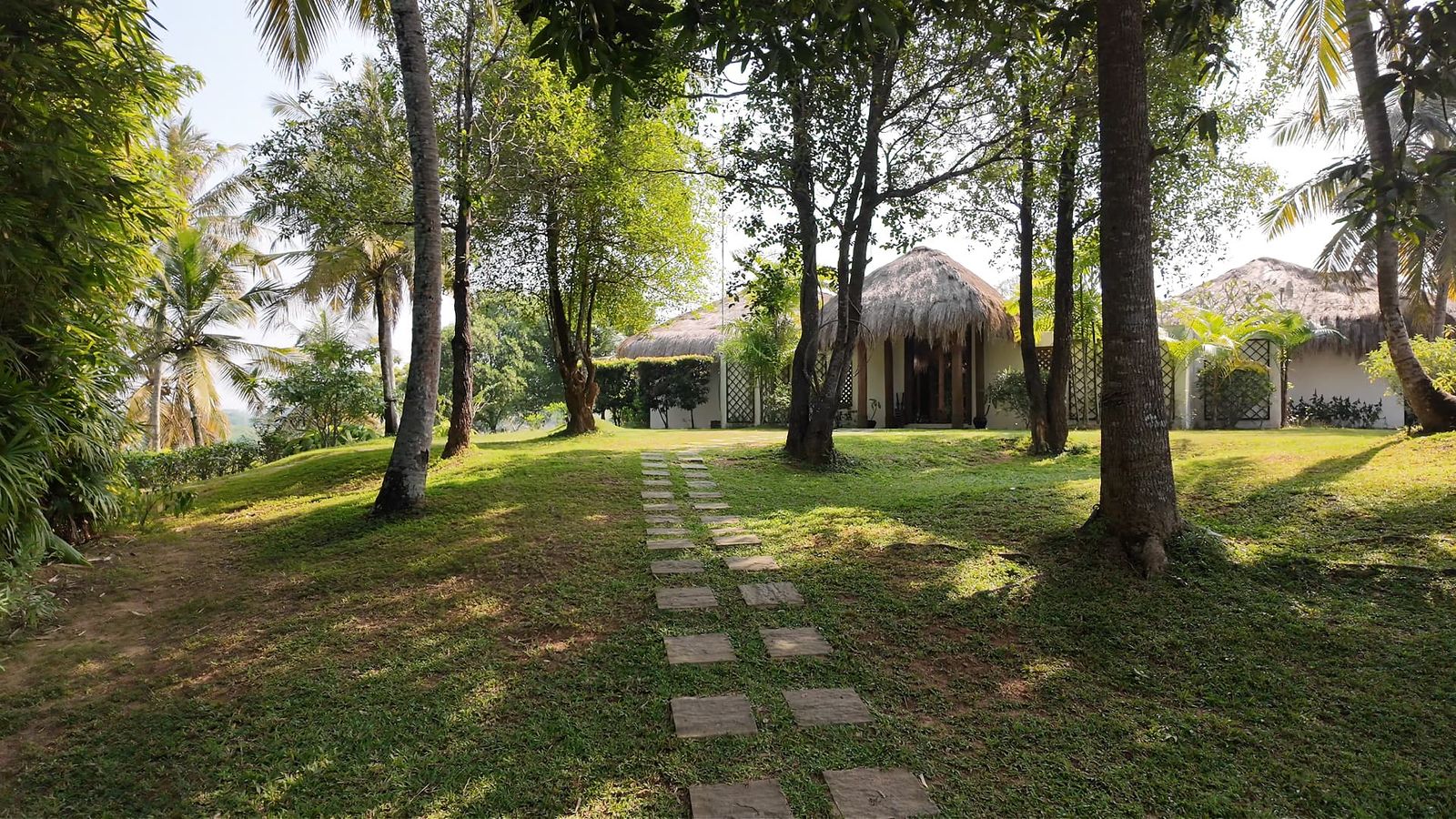
Tekanda Lodge
Book one of the six bedrooms here and you quietly sustain two projects closer to the owners' hearts. Richard and Charlie bought the land in 2016 without a clear plan; Charlie, a former educator, wanted more than a boutique lodge, so they founded the Tekanda Foundation. They also shaped the 10-acre estate into four sections: home garden, organic agriculture, botanical garden and untouched jungle.
Maximising profit isn't the goal. They keep a little harvest for their kitchen and sell the tea and cinnamon to nearby factories. They fund about a quarter of the foundation themselves; the rest comes from founding patrons and regular donors. They deliberately avoid marketing it to guests — the centre is built on genuine intention. Read more about the social practices of the Tekanda Foundation.
The three projects work perfectly together — as long as no pandemic, crisis or war disrupts tourism.
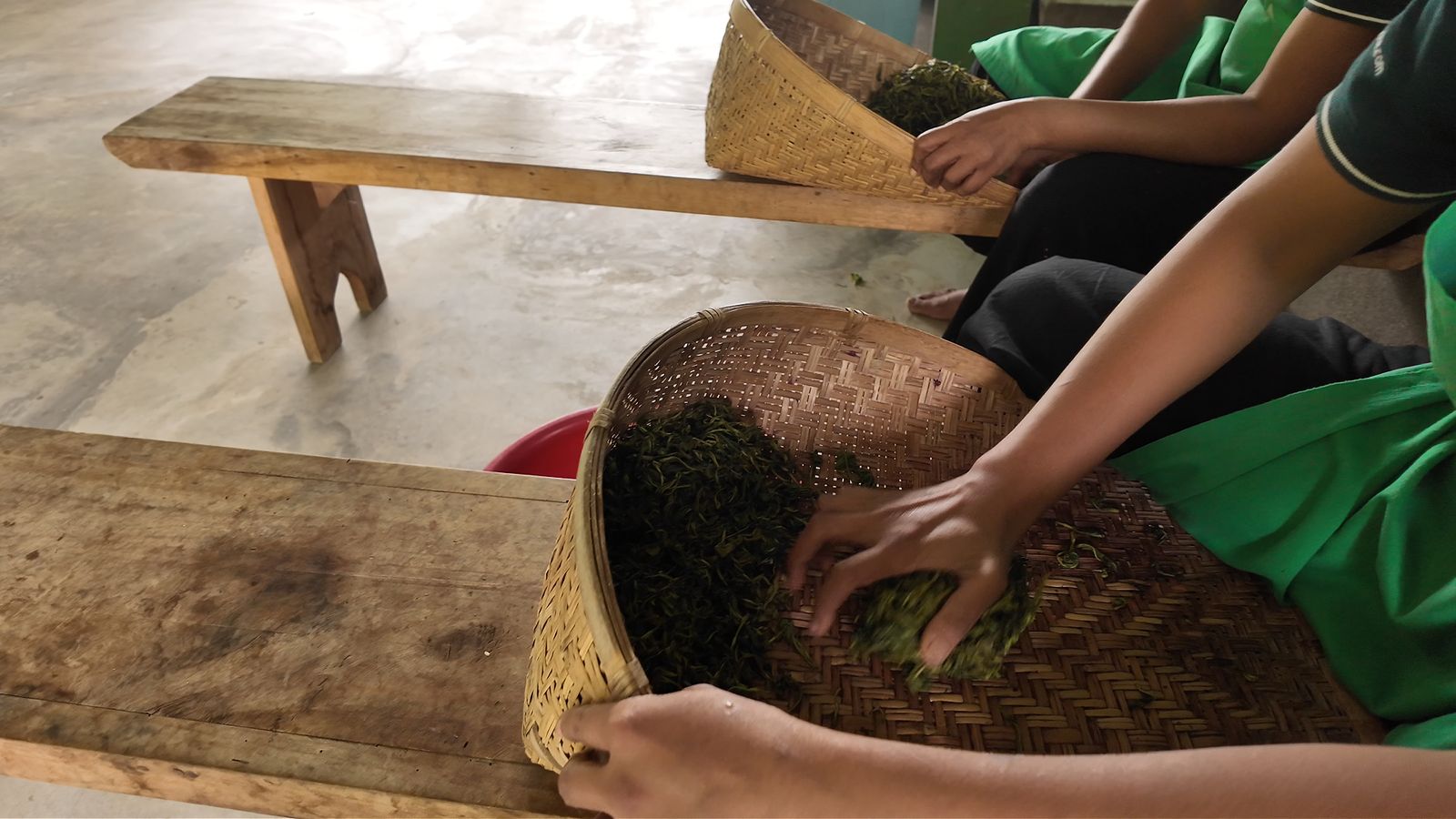
AMBA Estate
AMBA is a pure social enterprise focused on maximising local income through value-added exports. The four founding friends, still the sole investors, waited ten years for a cash-flow profit in 2016 and have never taken a dividend. Instead, 10% of revenue goes to employees as bonuses, and the rest is reinvested locally.
Tourism is the main engine, but award-winning tea keeps the estate profitable when travel stalls. The $5 tea tour is really a conversion mechanism: visitors finish in the farm shop, where retail rivals exports. The real margin lies in processing, branding and direct-to-consumer retail.
From the Easter bombings through COVID (~2019–2022), AMBA lost most — sometimes all — of its tourism income, yet never cut staff or salaries. Exports carried them through, and their local supply chain became their resilience strategy. Read how AMBA sources from Sri Lanka and encourages locals to start their own ventures.
Go Yala Farm
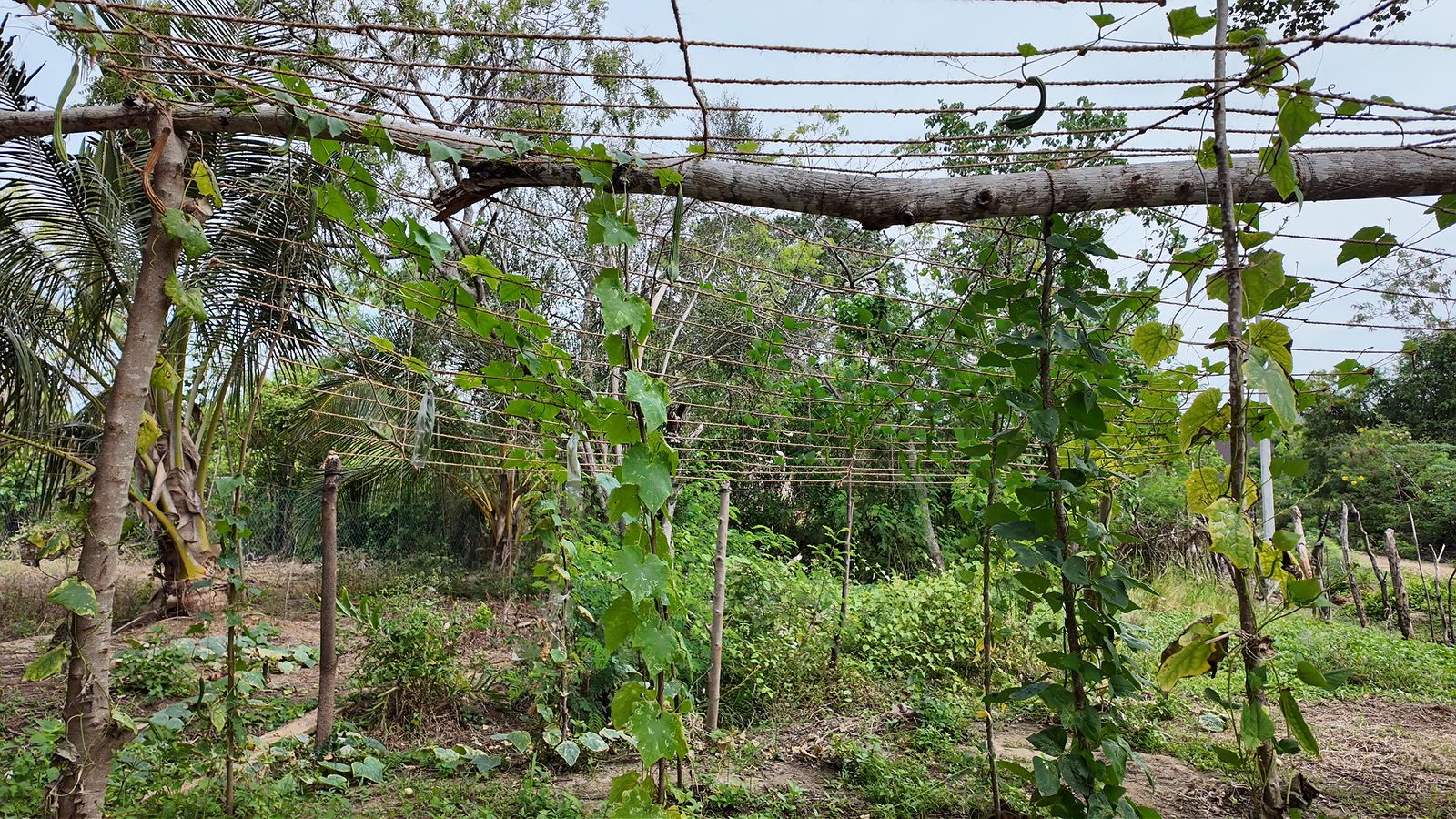
Go Yala is a family farm in Tissamaharama, near Yala — where many tourists stay a night or two to spot leopards and elephants. To make those stays worthwhile, owner Sahan built several lodges, from dorms to family rooms, with an eco-kitchen and a farm tour. A lake within walking distance brings water buffaloes by day and elephants by night. Read more about how agri-stays live with wildlife.
The farm survives without tourists, as it did during COVID, by selling vegetables, fruit and eggs to local buyers — enough to pay its workers. Tourism adds real profit: Sahan brings in 70% of guests through his diving schools in Weligama and Trincomalee, two ventures feeding each other.
His advantages are rare: the family already owned the land, and he understood the traveller's mindset. Nearby investors who lacked both eventually folded — and are now asking Sahan to buy them out.
Midigama Fruit Farm
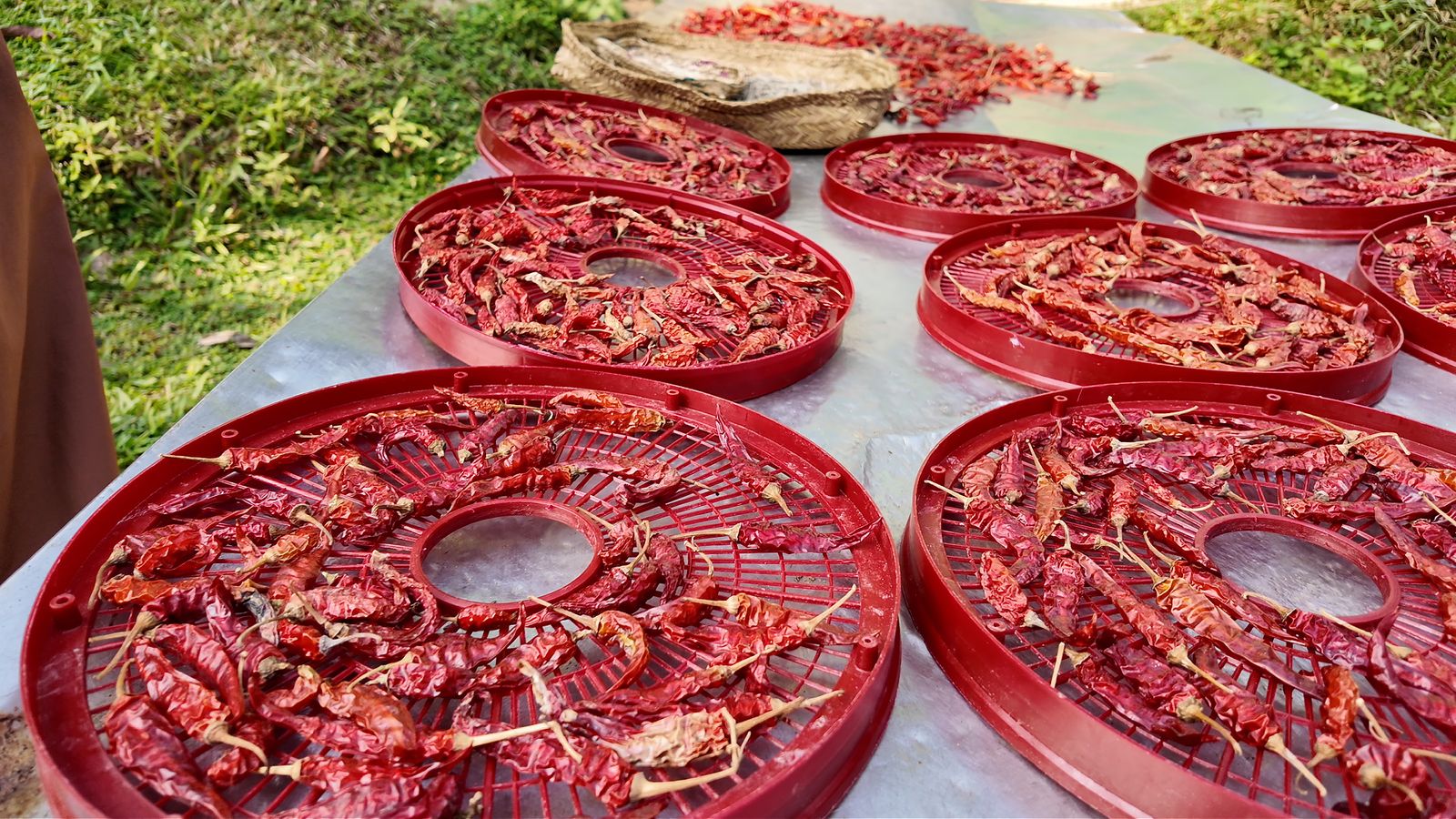
This is far more than a fruit farm. In 2022, Chathura Udayanga and two co-founders bought land once famous for value-added fruit products, aiming to focus on regenerative agriculture. But they soon found Sri Lankans wouldn't pay more for organic produce — while nearby Ahangama was booming with tourists. So they pivoted to agri-tourism: value-added products, cooking classes, workshops, a dormitory and a yoga partnership. Higher tourism profits let them offer better prices for the organic crops they sell locally. Read why they won't sell their crops in Colombo.
Though they used no outside investment, they're now in talks with investors for a sister company building 15–30 natural-material eco-lodges. Passion lies with the farm, Chathura says, but there has to be financial gain too. Can they survive without international guests? Sri Lanka is resilient, he shrugs: "Anything is possible here." Read 11 sustainable lessons from Midigama Fruit Farm.
Every owner starts with different assets and goals. So while agri-tourism looks replicable, each model is anchored in an advantage that isn't easily copied — inherited land, existing tourist traffic, or strong product branding. Without one of those anchors, combining a farm and rooms may create a nice story, but not real financial resilience. And if it doesn't work, you listen to what the world wants, and pivot.
Keep reading