A coffee and tea history
Sri Lanka was once one of the top three coffee exporters in the world. In the 1880s, a coffee rust disease wiped out almost all the plants. The British Empire decided Sri Lanka needed to pivot to tea, an industry they had learned about from European traders importing it from China during the Ming and Qing dynasties, and had already heavily invested in across northern India. To work these new tea estates, the British brought south Indians to Sri Lanka as tea pluckers. Some Indians, however, came as estate owners. Both Roseland and AMBA Estate were originally owned by Indian families, and both carry the Pillai name.
Pillai is not a family name but an honorific title given to landowners and administrative workers in south India. They came from a higher caste, unlike the south Indians brought to Sri Lanka by the British Empire to work as tea pluckers.
AMBA Estate: Tea as a byproduct of a social mission
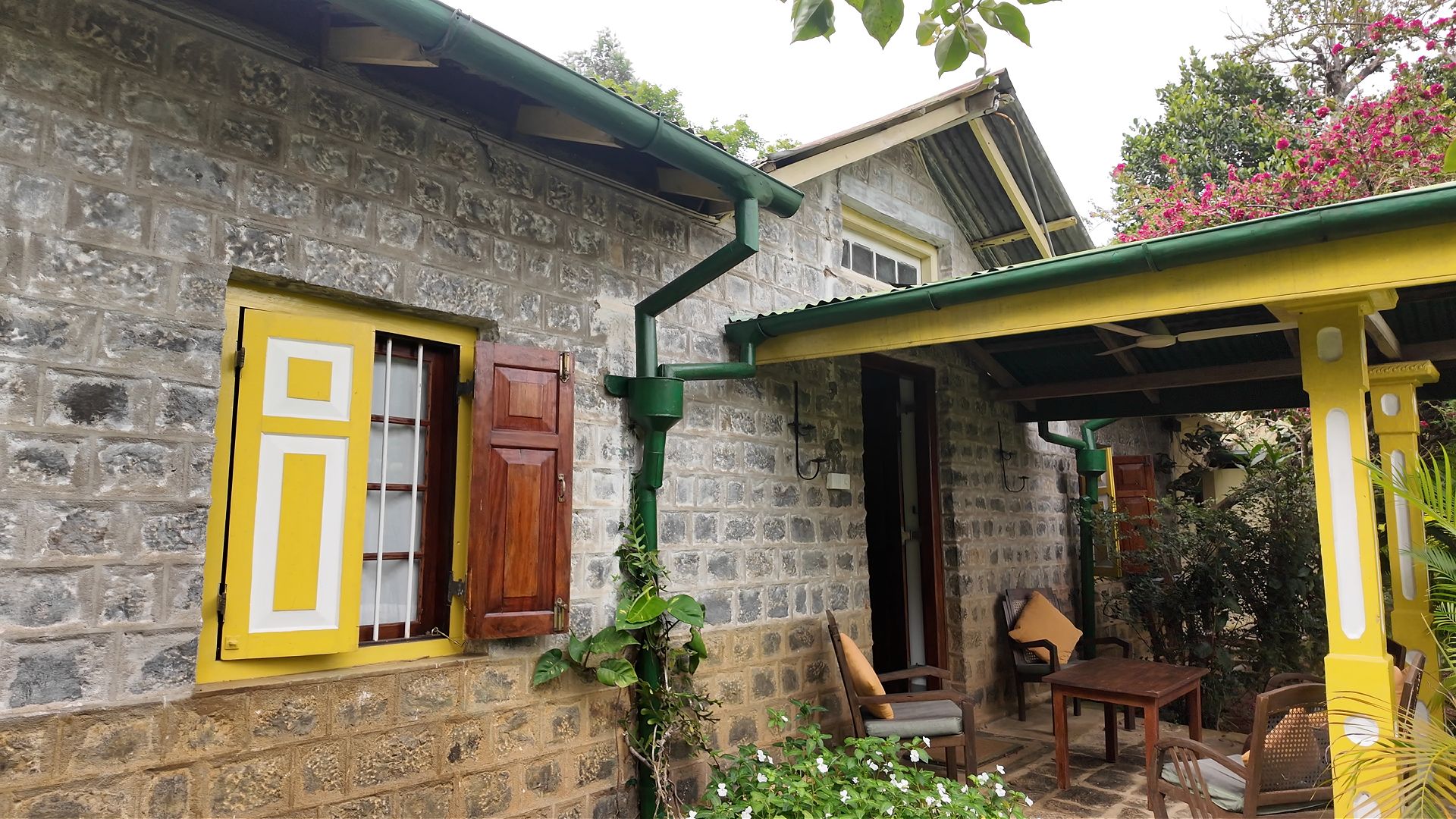
When Simon Bell and three co-founders bought the 120-acre land, they tracked down Rajagopal Karunanithy, the great-grandson of Thamba Arunasalam Pillai, the estate's first owner. To this day, Rajagopal, known as Mr. Karuna, is the estate manager at AMBA.
Simon tells me they started making tea simply because it made sense: it used to be a tea estate. The tea plants were old, so they started planting extra tea bushes and continue to do so. They only pluck the best leaf and are completely organic — even though they could pluck 2,000kg of leaves, they only use about 10%. They make Chinese and Japanese-style teas and keep track of every detail of the leaves they pluck, so they can experiment with new varieties and come up with their own tea.
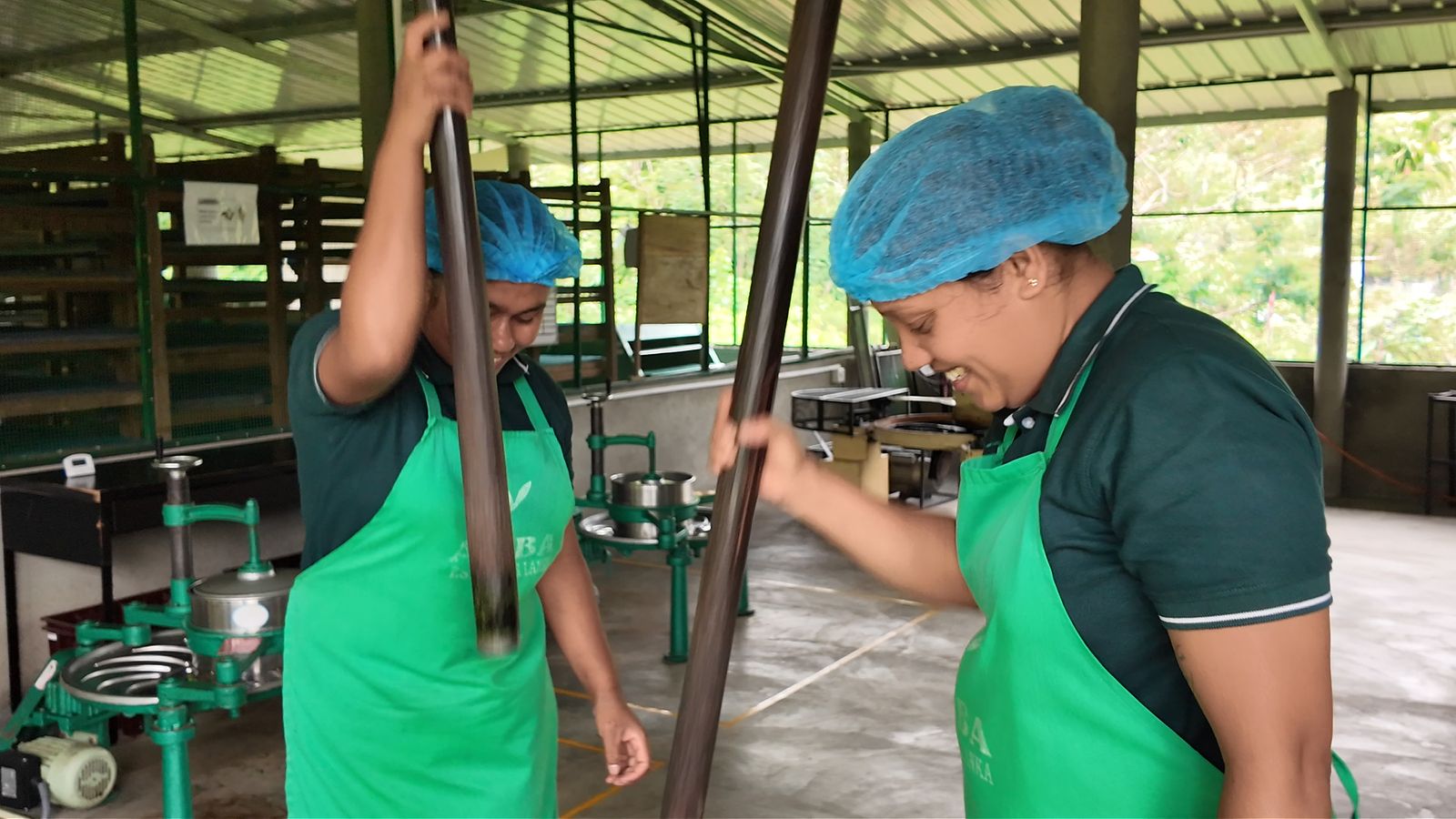
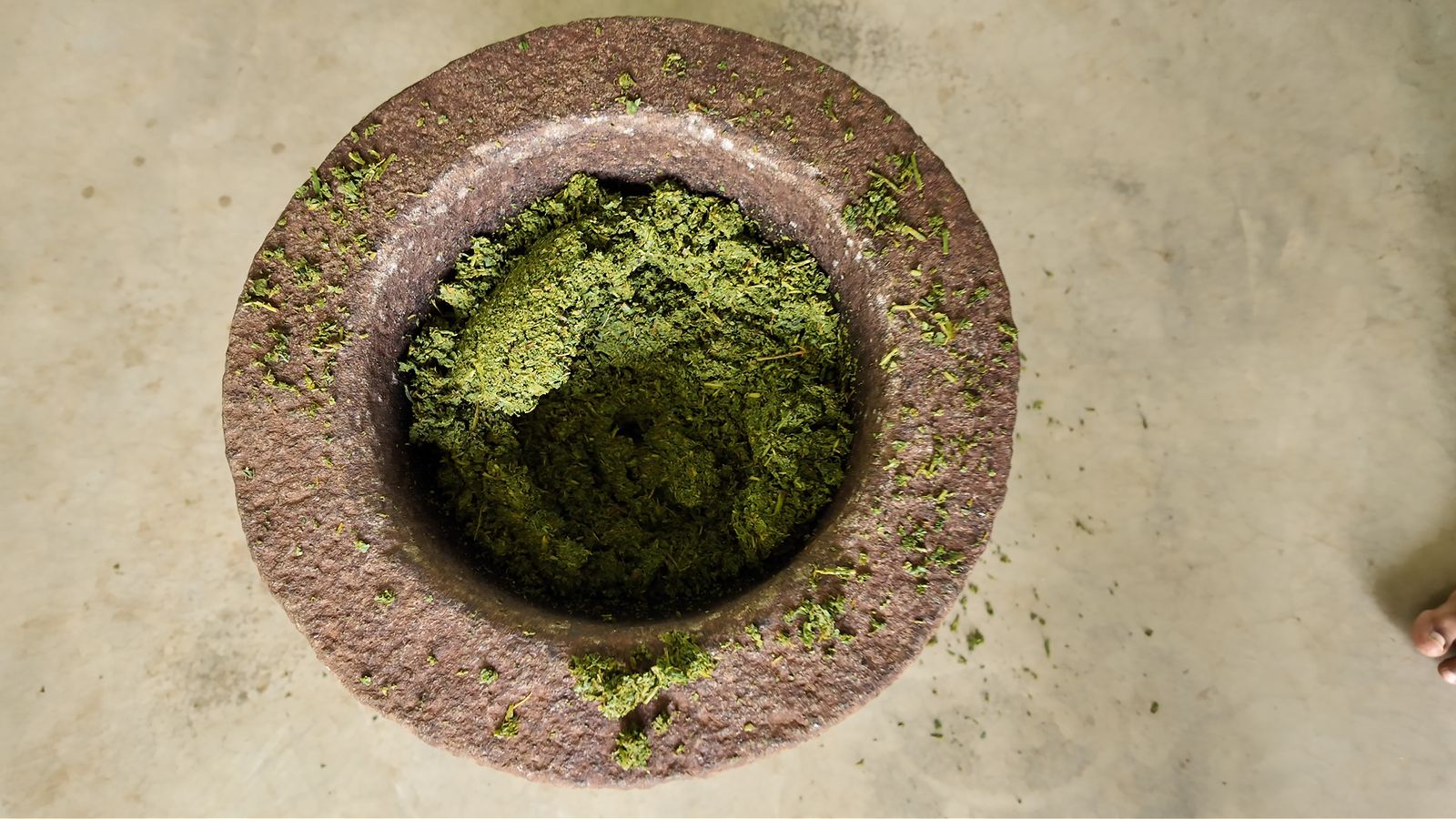
One of their unique teas is the Vangedi Pekoe. Vangedi is the name for a mortar, referring to teas made with a mortar and pestle. However, there is more to the story. The only teas made with a mortar and pestle were made illegally by tea pluckers. The story goes that during colonial times, tea pluckers stole tea leaves and secretly made tea. Commercial estates don't make this 'illegal' tea, yet AMBA Estate decided to sell it after learning the recipe from an employee who remembered how her grandmother made it.
Over time, by growing organically and focusing on quality, their tea became award-winning. Tea experts from Japan, Germany and the United States visit AMBA for two weeks at a time to learn about their process. Yet Simon is quick to note that this was never the goal. "The core is still to drive local incomes." AMBA does not have its own shop or café outside the estate. The tea experts and enthusiastic tourists find them regardless, and that is enough to serve their mission.
To read more about how AMBA Estate empowers the local community in Sri Lanka, read our article Empowering Communities.
Roseland: Shaping Sri Lankan coffee culture
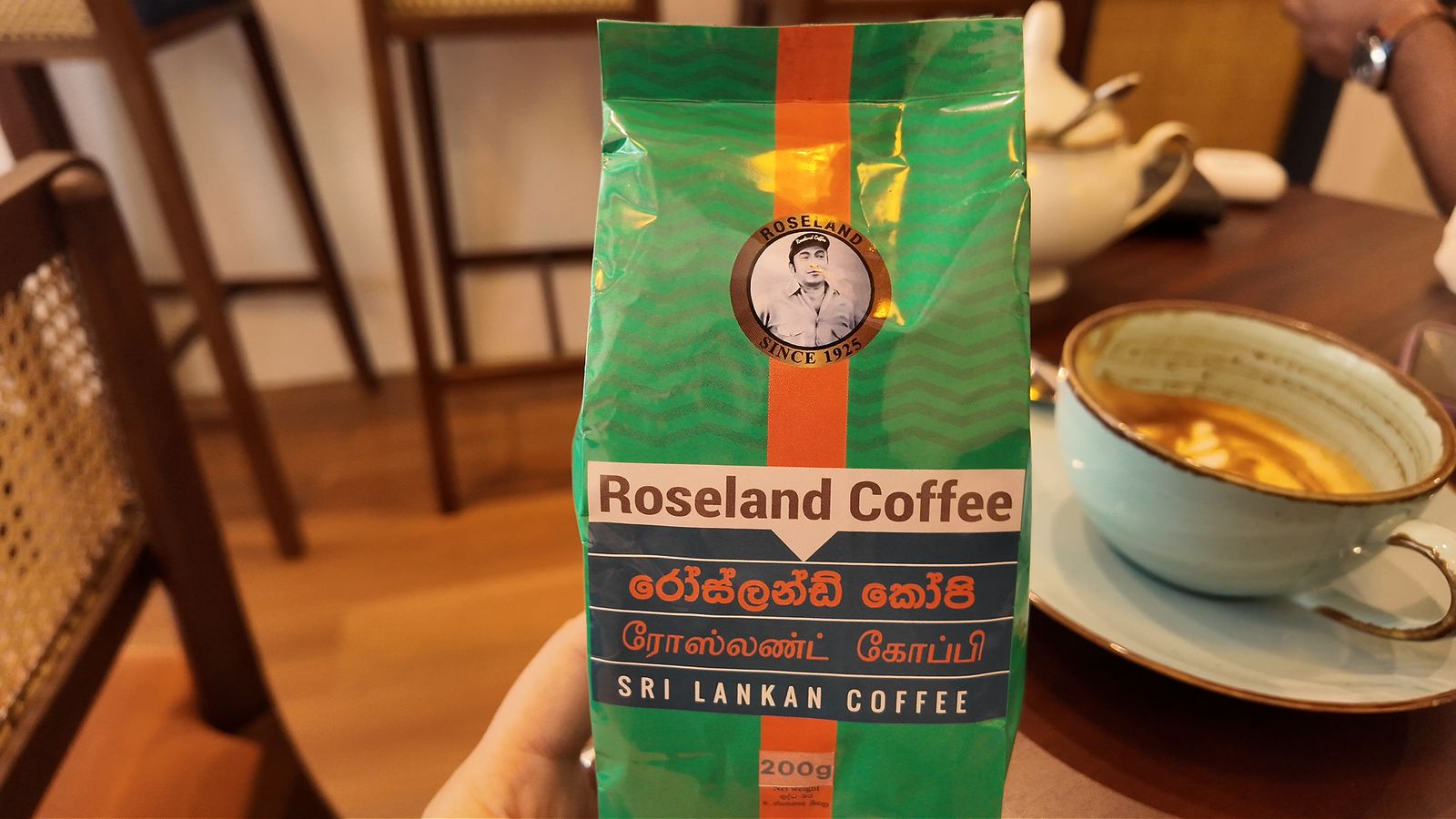
Roseland tells a different story. Its first owner, Rama Muttiah Ramasamy Pillai, was also Indian, and the estate also struggled after the land reforms of the 1970s.
When Rajiv, his grandson, took over and started roasting coffee for his guests, he quickly realised the gap in the market. Read the article about their story from tea estate to coffee roasters to learn more.
Nowadays his focus has shifted to something bigger: developing a Sri Lankan coffee culture. Rajiv tells me that countries like Indonesia, Vietnam and India all have their own coffee identity, while Sri Lanka tends to copy what works elsewhere rather than finding its own. And it is not just coffee. "We have a spiced tea mix and still call it chai."
Worth knowing: Chai literally means tea in Hindi. Around the world the word has come to refer to spiced or herbal teas, but in Sri Lanka calling a local spiced tea mix "chai" is a small example of a bigger pattern: reaching for someone else's identity instead of building your own.
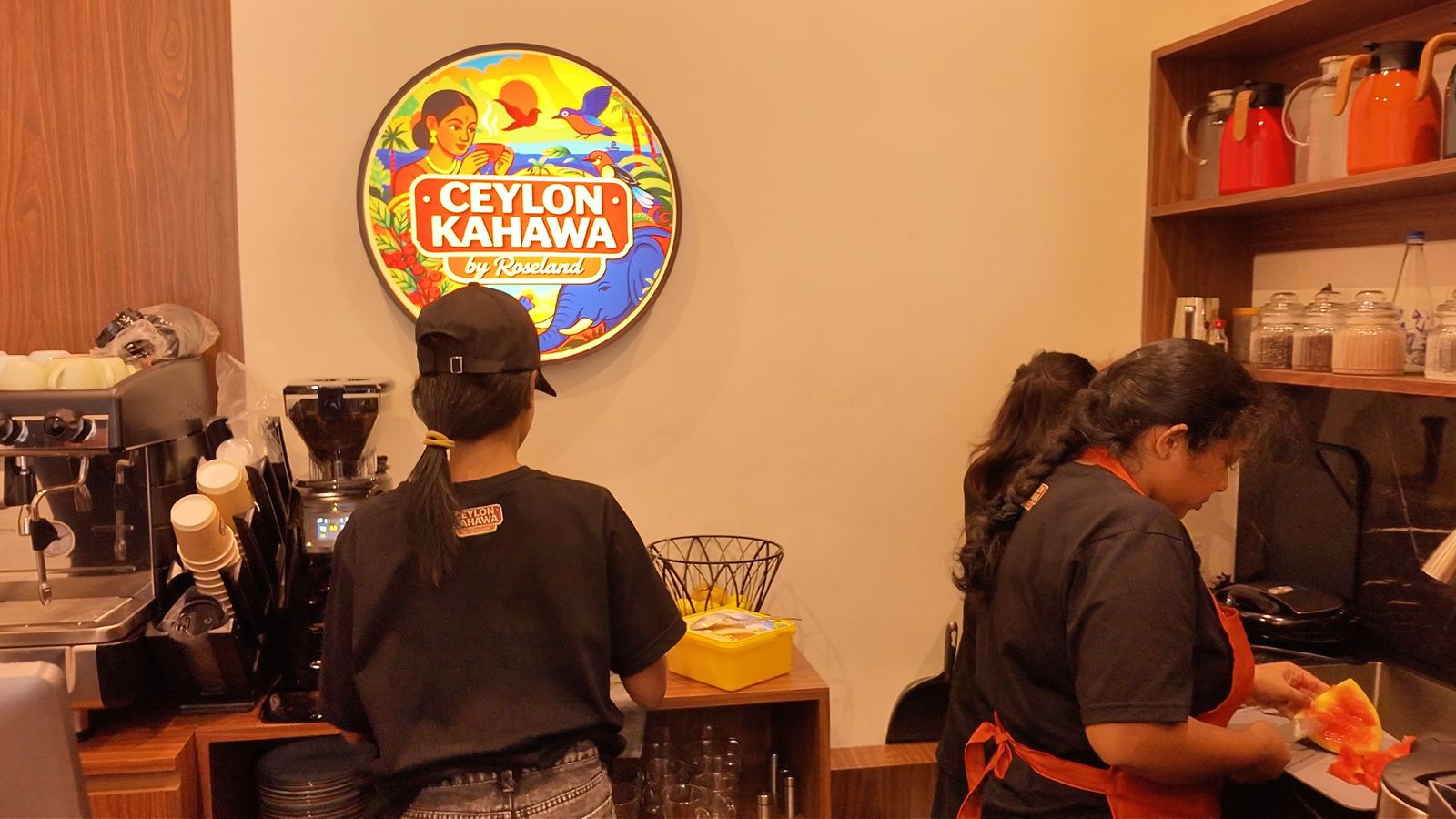
Rajiv is working on building that identity. Their café brand is called Ceylon Kahawa. Ceylon because it still works better in international branding than Sri Lanka — think Ceylon Tea, Spa Ceylon, Ceylon Cinnamon. Rajiv finds it a shame that a country needs two names, but he uses it practically. Kahawa comes from the original Swahili word for coffee, acknowledging that coffee, like the name itself, has travelled a long way to get here.
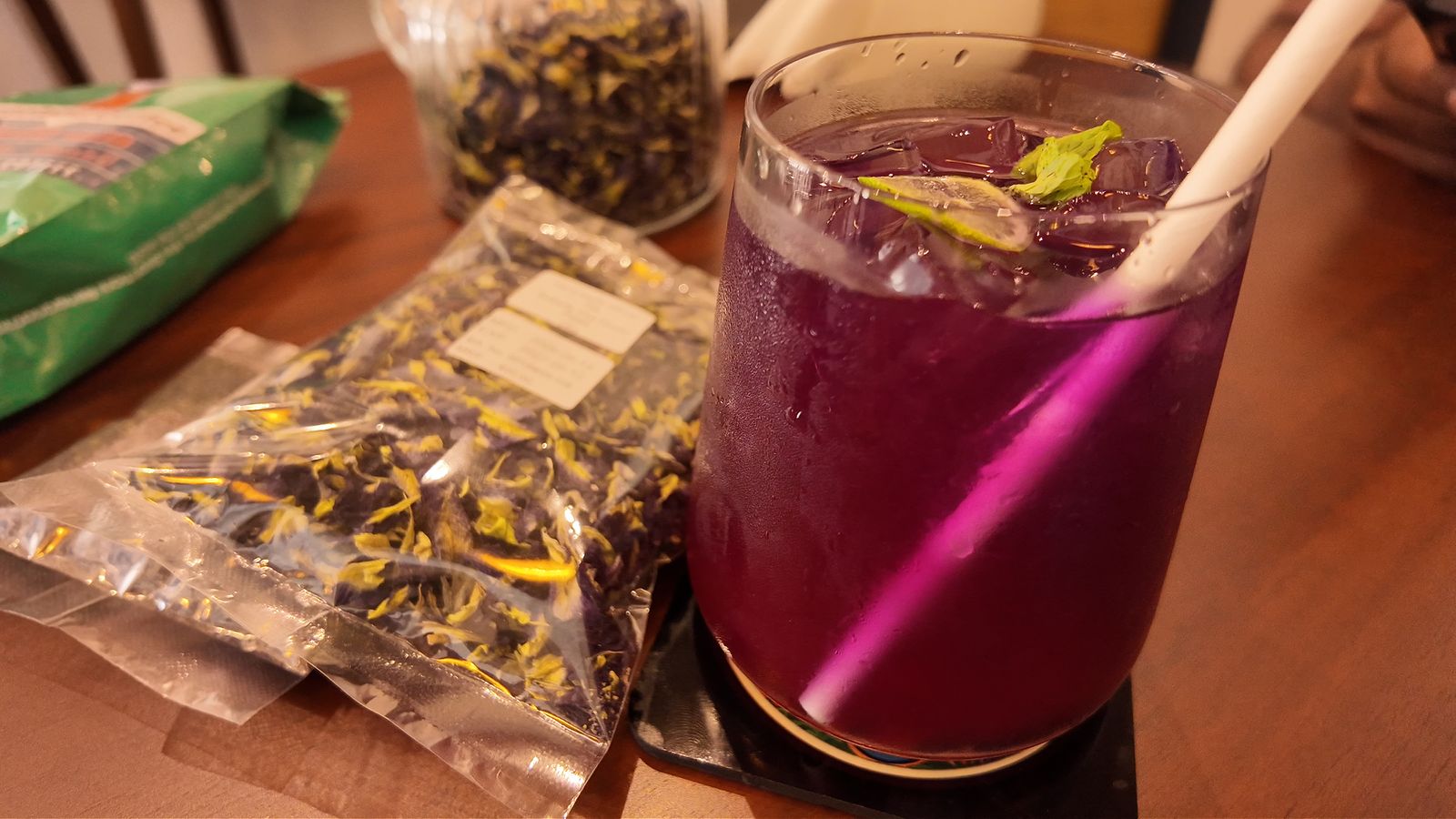
The menu at Ceylon Kahawa will focus on drinks you cannot find anywhere else. A butterfly pea flower, mint, lime and kithul drink — kithul being a sweet syrup from the kithul palm tree — is a good example. Deep purple, refreshing, and entirely Sri Lankan. Their second café, a garden café, is opening soon and will have even more unique Sri Lankan beverages.
Ceylon Kahawa will be entirely women-led, from the staff to the branding. The logo features a branch with coffee cherries, a woman and the hills. Rajiv wanted something colourful at a time when most café branding goes minimal and muted.
Worth knowing: The land reforms in the 1970s meant that landowners were not allowed to possess more than 50 acres, in an attempt to battle inequality and unemployment. All land above that limit was handed to the government. Executed poorly, many estates shut down due to lack of experience, causing exports to drop and the economy to stagnate.
Two estates, one hill country, different visions
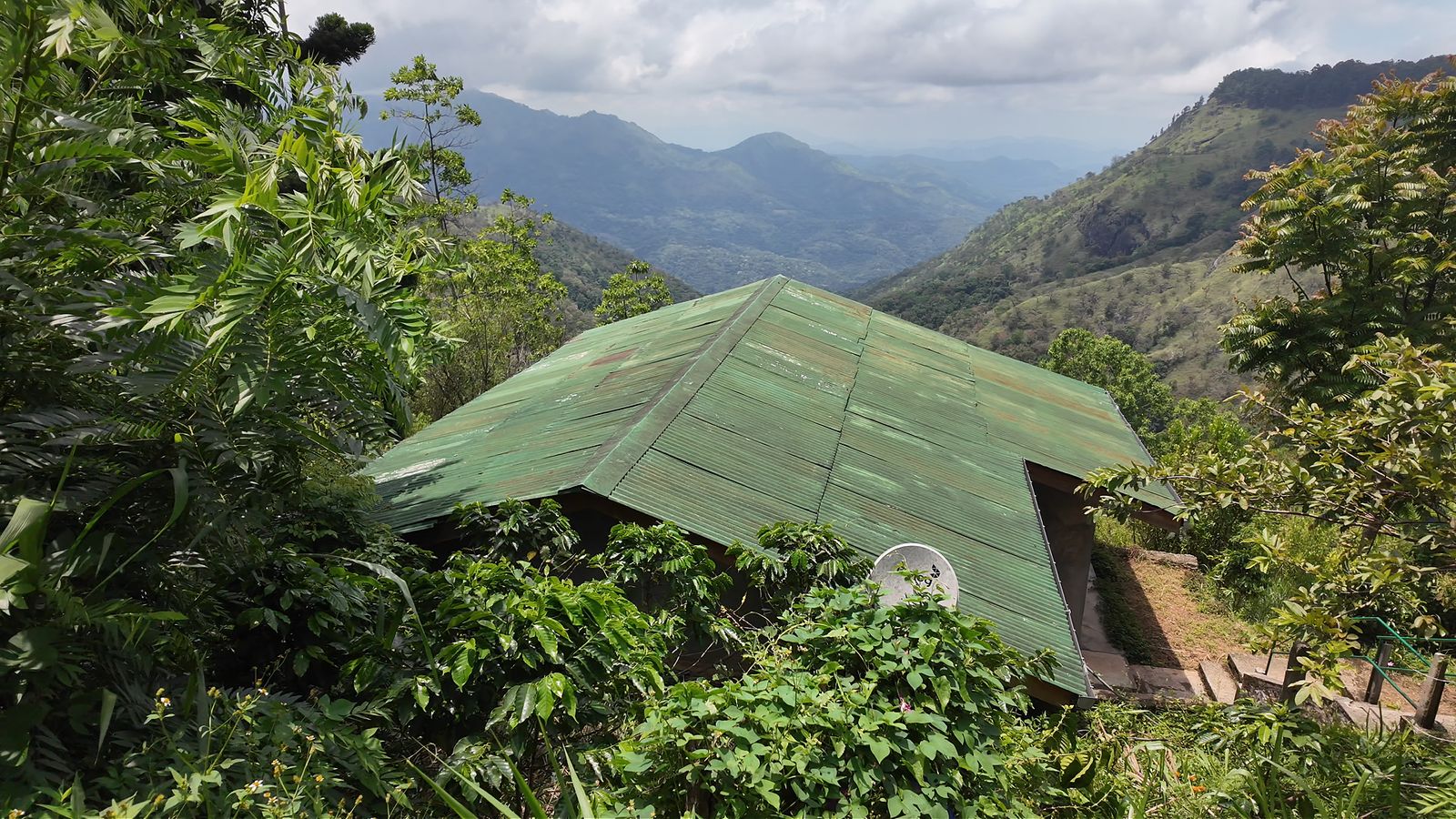
AMBA and Roseland are separated by history, family and mission, yet they share more than I realised before interviewing both owners. Both started as tea estates under Indian ownership. Both eventually pivoted. Both are trying to prove that what grows in this valley is worth more than a commodity price.
AMBA measures success in local incomes and community independence. Roseland measures it in a new coffee culture that puts Sri Lanka on the map for something it lost over a century ago.
Both pivoted into something that feels good for the owners, the community and Sri Lanka.
Keep reading