From home-kitchen roasting to his own factory
Rajiv remembers roasting coffee beans with his mother when coming home for school holidays. He explained that coffee was something you drank once a week, surely not every day. According to Rajiv, it was drunk at home to cure a stomach ache and at funeral homes to stay awake during the wake, as well as to ward off bad energy. He remembers when households and funeral homes started replacing their own roasted beans with Nescafé machines. To this day, everyone in Sri Lanka serves Nescafé at funerals.
After his studies Rajiv worked at plantations, but had no interest in taking over his family estate — until his mother called. He decided to take over when his father could no longer care for the estate.
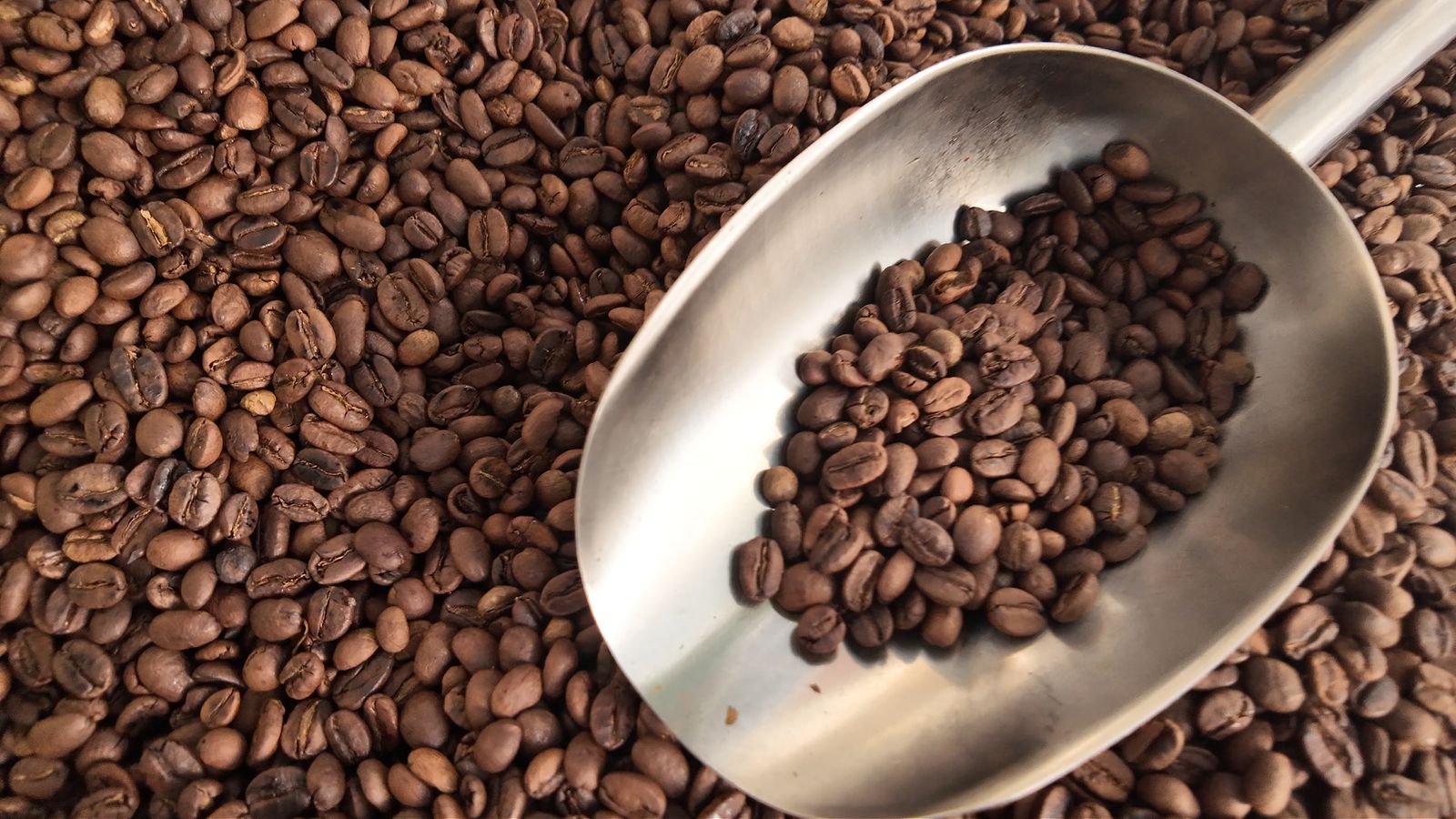
He initially built two bungalows for when friends and family would visit, and soon decided to build two more in 2017 for commercial reasons. They could not find good coffee to serve their guests, and after another phone call with his mother, he was inspired to roast and brew his own coffee for guests. Guests loved it and asked if they could buy it. Motivated by the response, Roseland started roasting more beans and put up a shelf in the restaurant with coffee for sale. Then Covid hit — no guests, but many people seeking work. It was the right moment for Rajiv to build a coffee roasting factory.
The importance of thriving together
When his grandparents had the tea plantation decades ago, they helped build roads and schools in the area. The idea of bringing the money back to the community and growing together has not changed for Rajiv. When the factory was built and coffee was roasted daily, Rajiv initiated multiple ways to involve the local community.
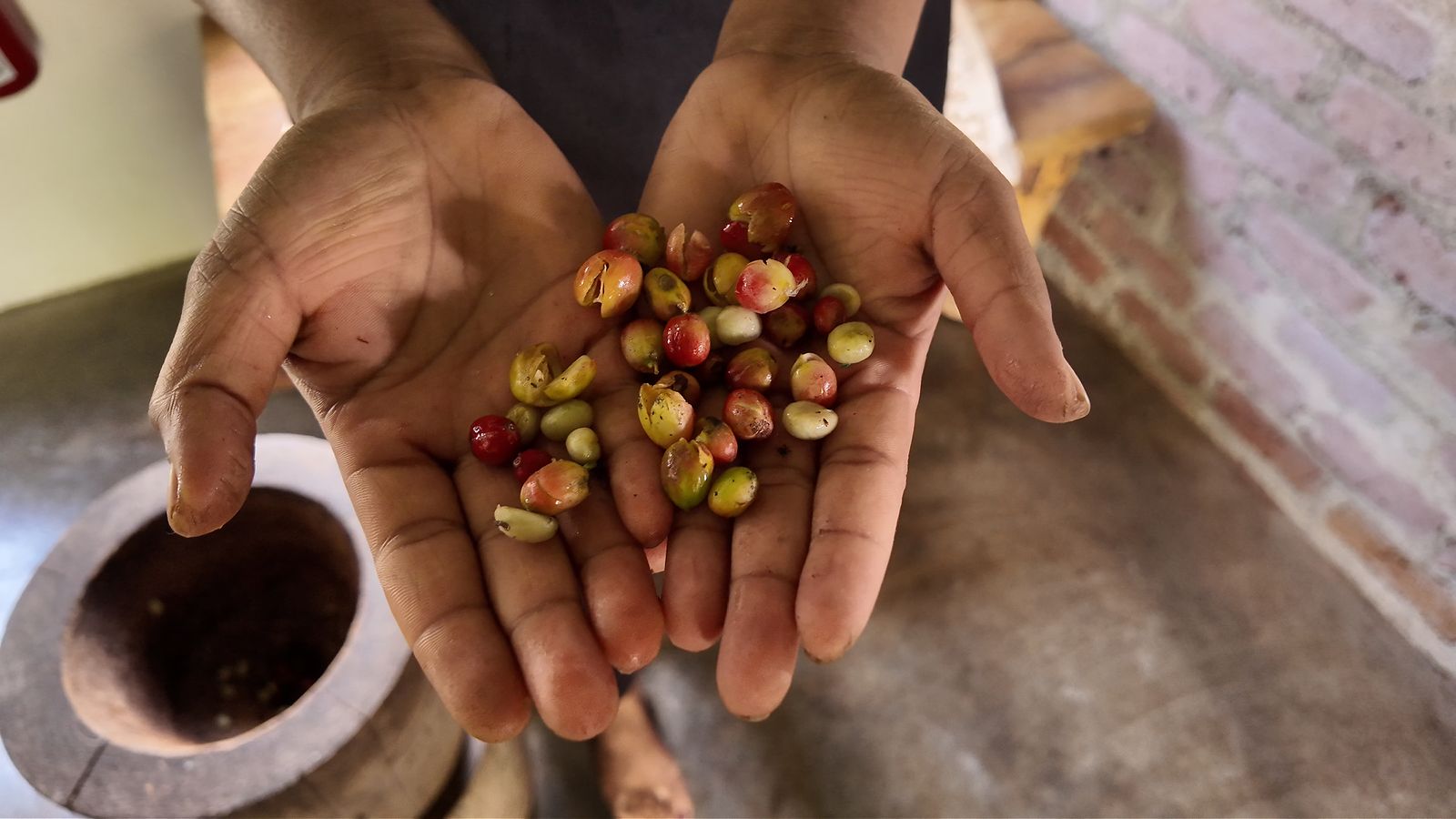
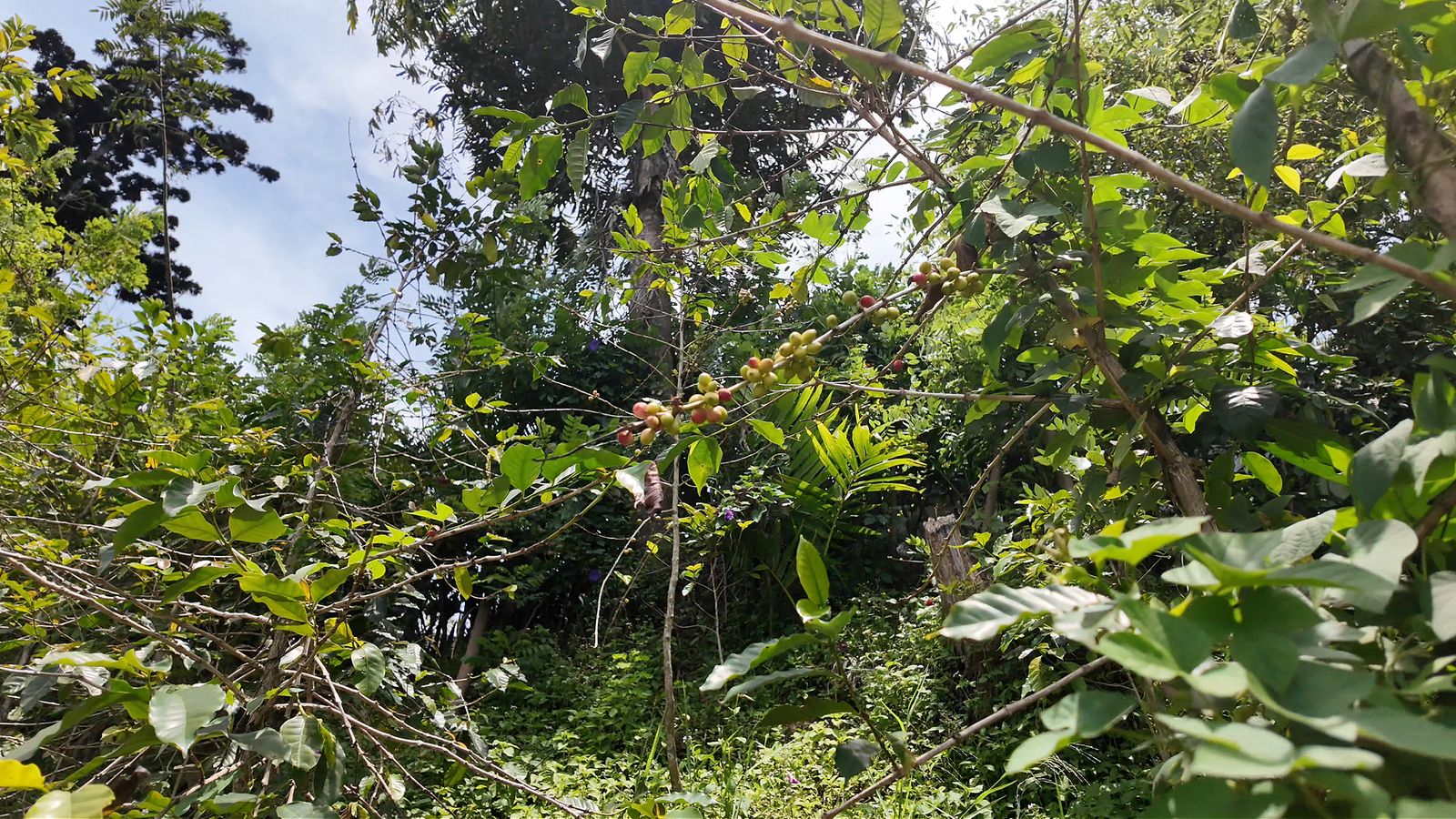
Three years ago, he decided to give coffee plants to nearby farmers. He gave 4,000 plants in year one, 8,000 in year two and 12,000 in year three. He buys back the coffee cherries at market price, mostly Arabica but also some robusta cherries.
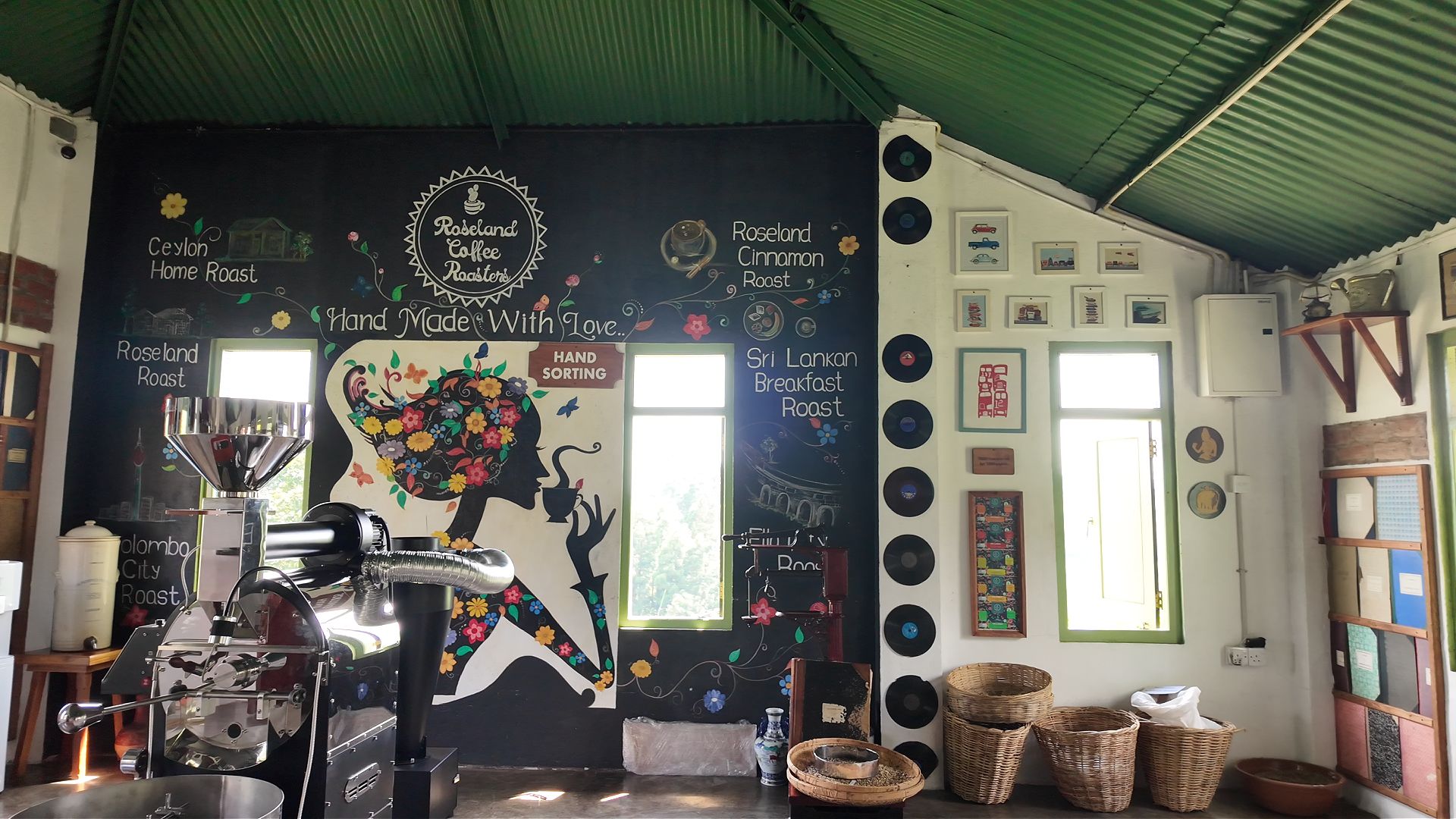
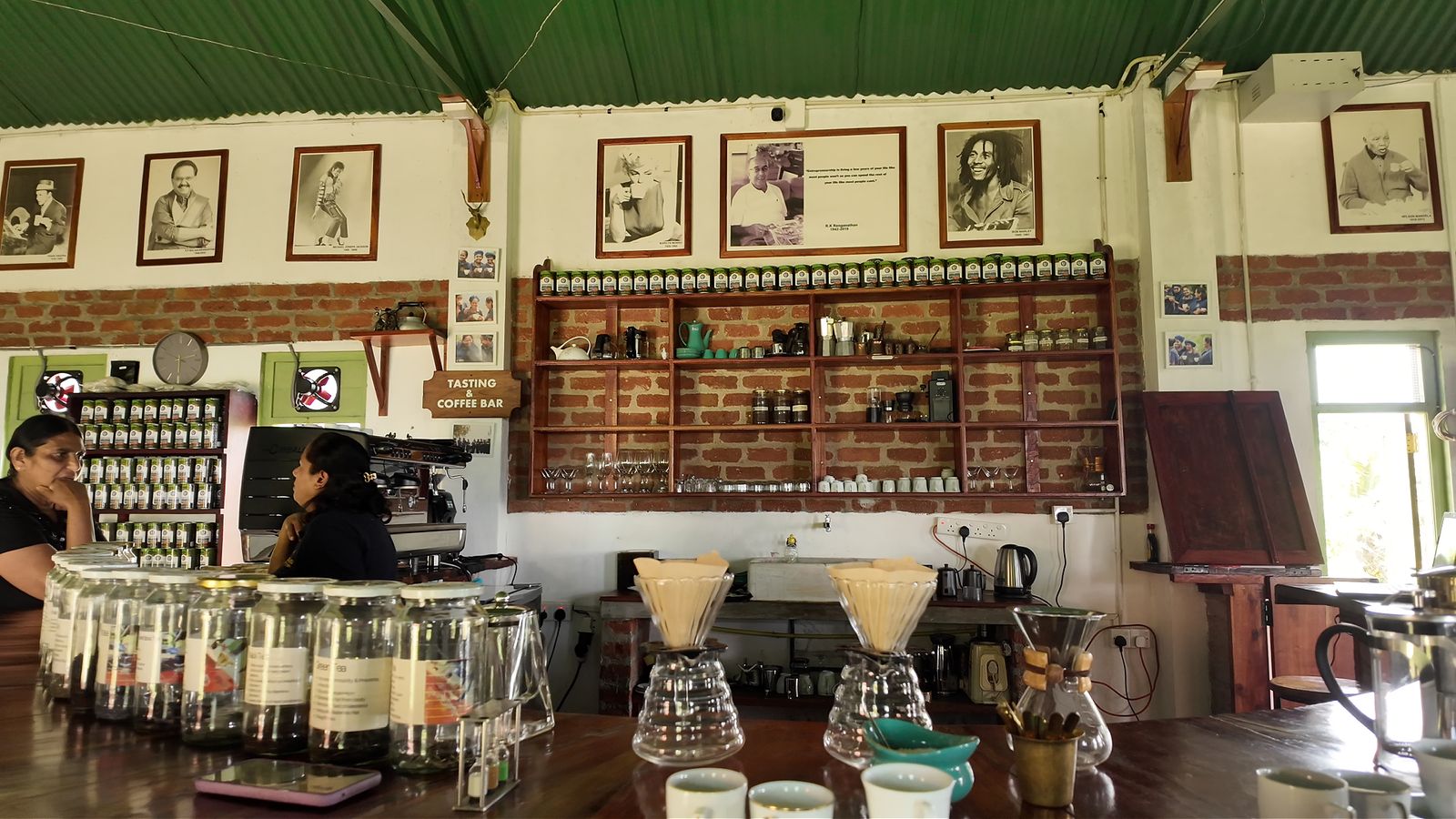
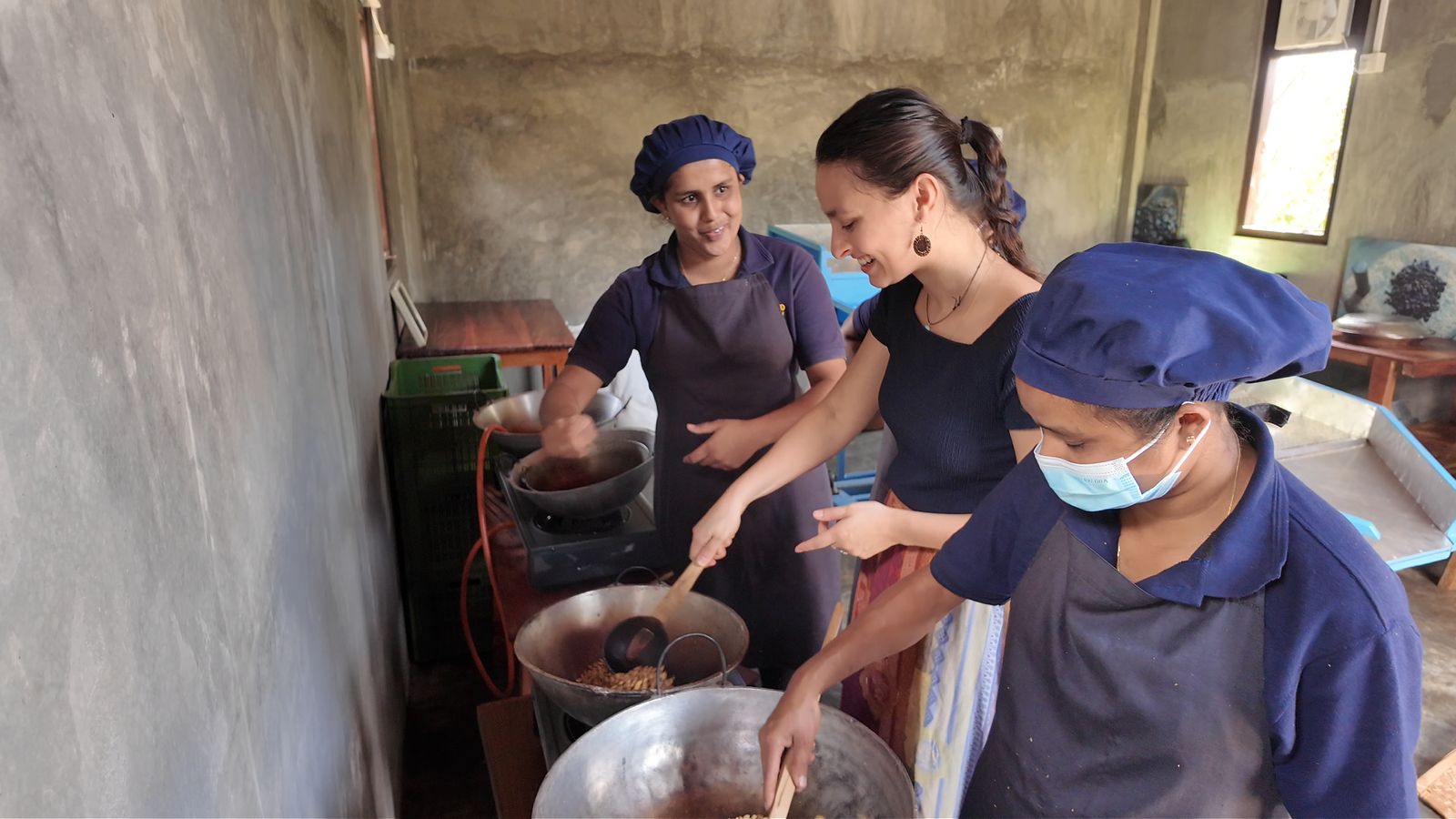
Roseland is by far not a traditional factory. It is a coffee bar, shop, storage and relax area with amazing views. In the back they hand-roast the beans, as well as cool and sort them. With a TV and internet, the employees can take a break when there is downtime.
Besides coffee, they also make more than 10 different teas and spice mixes. Some of the spices and flowers grow on their estate, but they also encourage local households to sell their home-grown spices and flowers. One of the employees who led our coffee tour sells butterfly pea flower and spices that grow naturally near her home to Roseland.
Rajiv encourages a small extra income for 50 women by showing how to make incense sticks. Roseland provides the materials and the women earn 10K LKR (30 USD) per month as Roseland buys back the sticks, adds a fragrant oil and sells them. They started five months ago, so they are still putting the product on the market. He will put the incense sticks in the café, and his goal is to export them.
Worth knowing: Arabica and robusta are the main coffee plants around the world. Arabica, the sweeter and smoother one, needs a higher elevation than robusta. Sri Lanka's coffee plants consist of 70–80% robusta, but Roseland is located in the hill country, which has a good climate for arabica.
Future plans
After four years of running the coffee factory, Roseland opened its first café: Ceylon Kahawa. The unique coffee blend is a fine-tuned recipe from Rajiv's mother. Although Rajiv is selling his coffee to other cafés and currently exporting it to Australia and Japan, he won't sell his unique blend. That one will just be served at Ceylon Kahawa.
Nowadays Rajiv is focused more on developing the coffee side of the business, rather than the four bungalows. Profits are higher from the coffee, but more importantly, it is an upcoming industry in Sri Lanka and he is excited to develop Sri Lanka's coffee culture. In a country still defined by tea, Rajiv is making the case for something Sri Lanka once had and lost.
Learn about Rajiv's vision for shaping the Sri Lankan coffee culture here.
Swipe, scroll, or use the arrows to browse the gallery (5 photos).
Keep reading