Wildlife Coexistence: Working With (and Around) Sri Lanka’s Nature
April 21, 2026
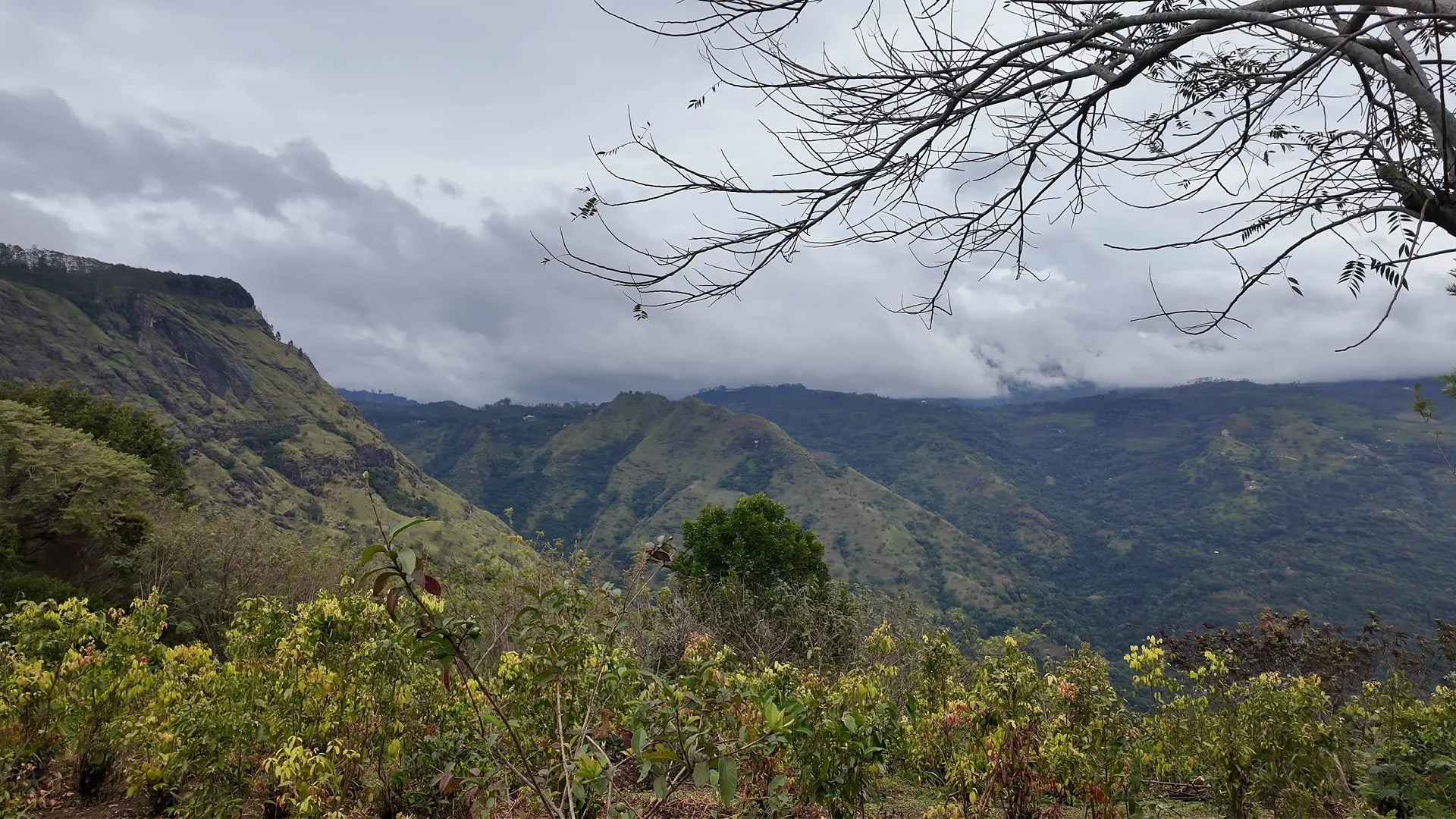
Nature is undoubtedly one of Sri Lanka’s greatest draws. It is astonishing how quickly the landscape transforms and how much wildlife there is; in the trees in front of my apartment in Colombo, I have even seen monkeys!
However, this picturesque environment requires a strategic approach if you want to protect your yield and provide a safe experience for guests. From avoiding venomous snakes to preventing monkeys from raiding your crops, managing a Sri Lankan estate is a dynamic challenge. In this article, I explore how five agri-stays use nature as an ally and deal with nature when it’s a challenge.
Nature as an Ally
Success in regenerative farming often depends on your geography. At Go Yala Farm, Sahan leverages the mineral-rich lake water nearby as a natural fertilizer. Trebartha East uses its layout to its advantage. The cinnamon grows on a steep bank, which helps with drainage and creates a natural boundary for larger animals. The estate sits like an island between two hills, surrounded by wetlands and paddy fields that naturally hold water. Since cinnamon is a hardy crop that doesn't need much water once established, the natural rainfall is enough to keep the plantation healthy without any extra irrigation. Monkeys are rarely seen at the Trebartha East cinnamon estate, as they favor neighboring land with a higher canopy and a greater abundance of fruit trees.
To build a resilient ecosystem, these estates turn to "Hero Plants & Animals":
The Shelter Plant (Gliricidia sepium): At Tekanda, they use this plant as a "living fence," as it grows easily from cuttings without needing established roots. Beyond providing a physical boundary, its leaves are nitrogen-rich; when they fall, they act as a potent, natural fertiliser for the soil.
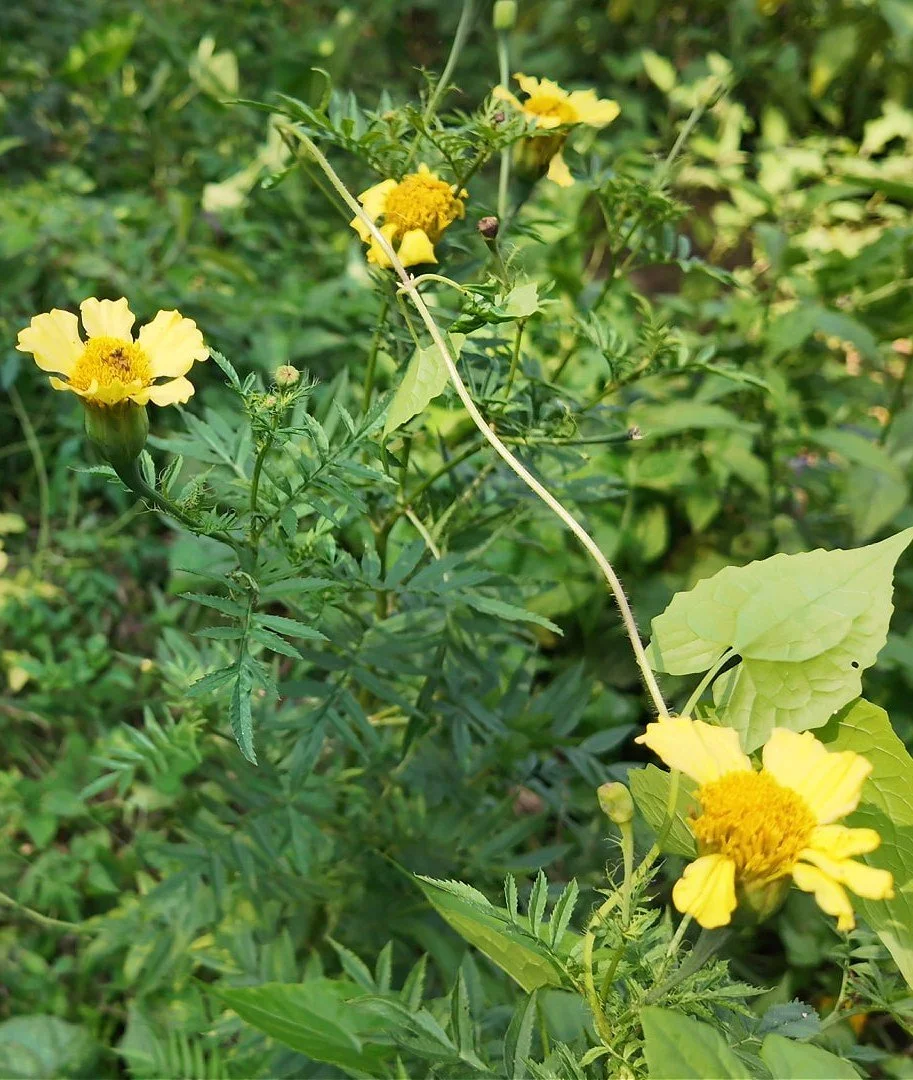
Biological Pest Control: While mosquitoes are deterred by the scent of crushed lime leaves, many garden pests are repelled by the fragrance of Marigolds. Midigama Fruit Farm utilises these as companion plants to manage insects naturally. They also cultivate habitats for dragonflies - those beautiful creatures can consume up to 80 mosquitoes a day. If you want to know more about the sustainable practices of Midigama Fruit Farm, check this article that discusses 11 sustainable practices.
Composting: Most agri-stays rely on cow manure for composting, whether they raise their own cattle or buy from neighbours. Stays growing bananas have an extra advantage: the pseudostems. These nutrient-dense trunks are chopped and mixed with manure—as seen at Midigama Fruit Farm—to produce premium compost. Alternatively, you can use them as a quick mulch; simply chop the trunk and spread it to return moisture and potassium to the earth.
Peacocks versus snakes: Peacocks are known to eat snakes, a reason to keep these bud lovers around.
Beyond the soil, nature provides the aesthetic. From using thick cinnamon branches as rustic door handles at Trebartha to decorating roofs with cinnamon sticks at Tekanda, the wonders of the land can become your most unique design features.
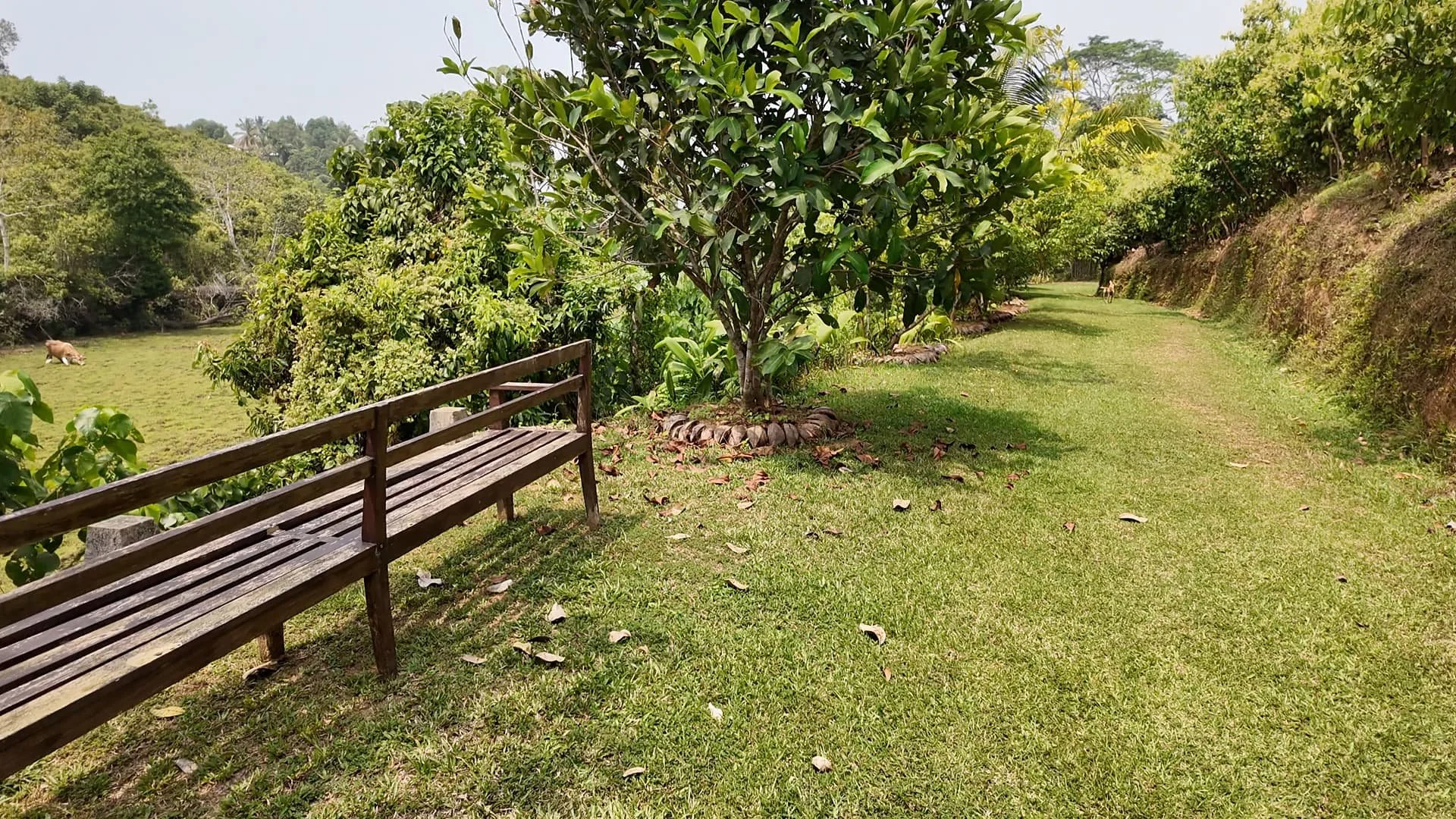
Trebartha East: A steep cinnamon plantation bank borders a central garden path, with a wooden bench overlooking a paddy and a grazing buffalo.
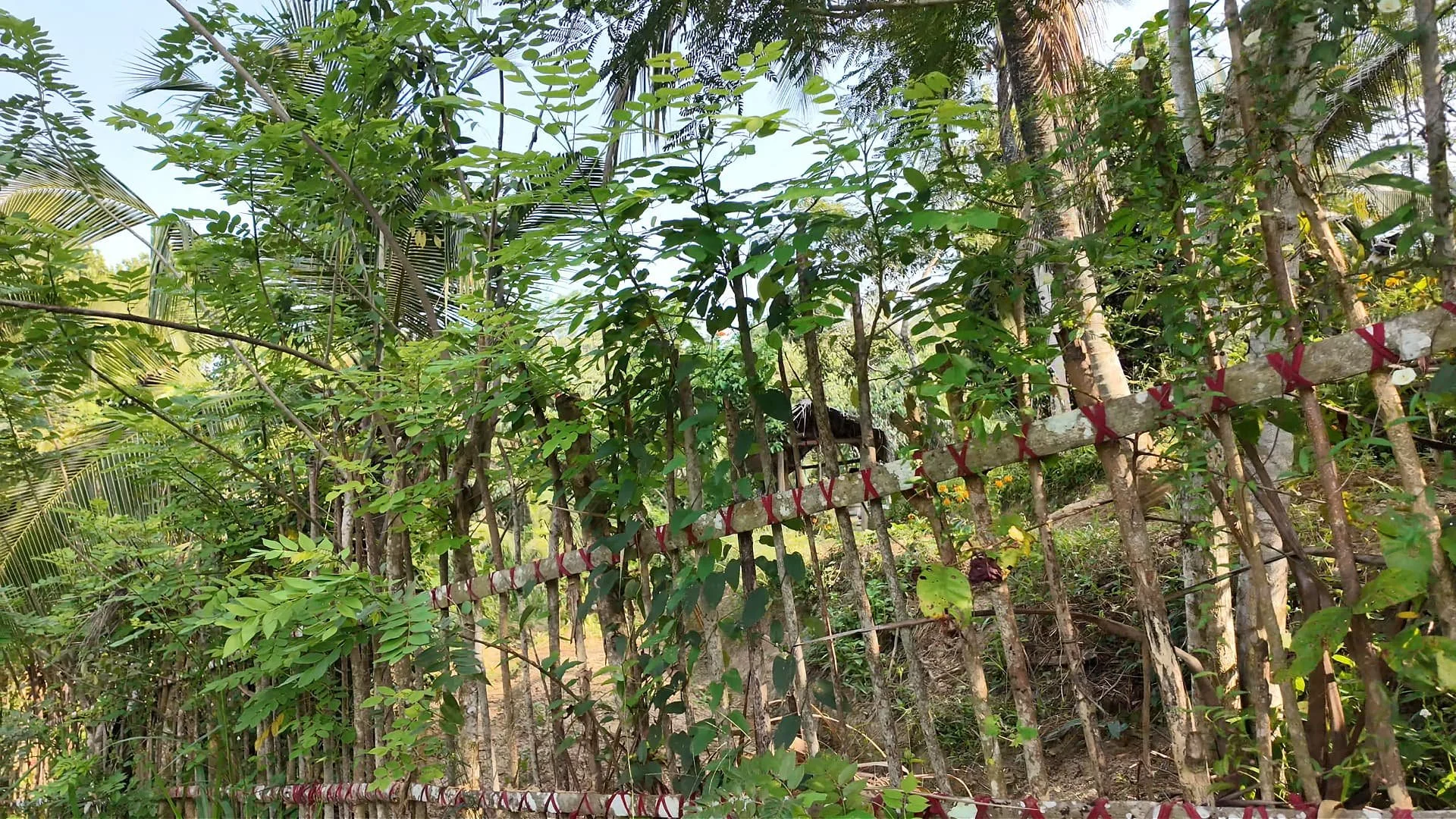
Tekanda Lodge: A shelter plant serves as a natural fence; its nitrogen-rich fallen leaves provide organic fertilizer for the soil.
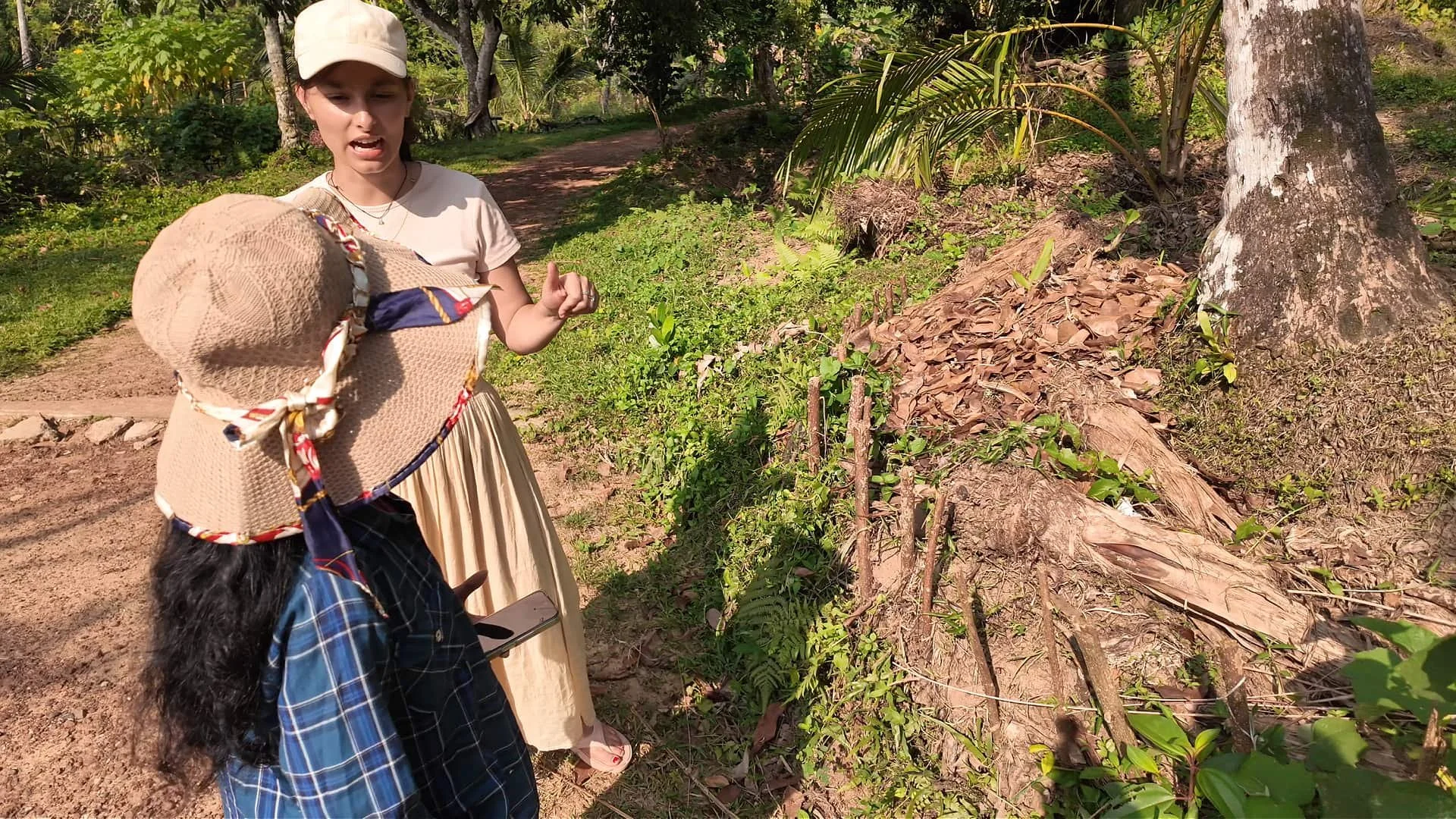
Midigama Fruit Farm: Banana pseudostems placed at the base of a tree to act as a natural, slow-release nutrient reservoir.
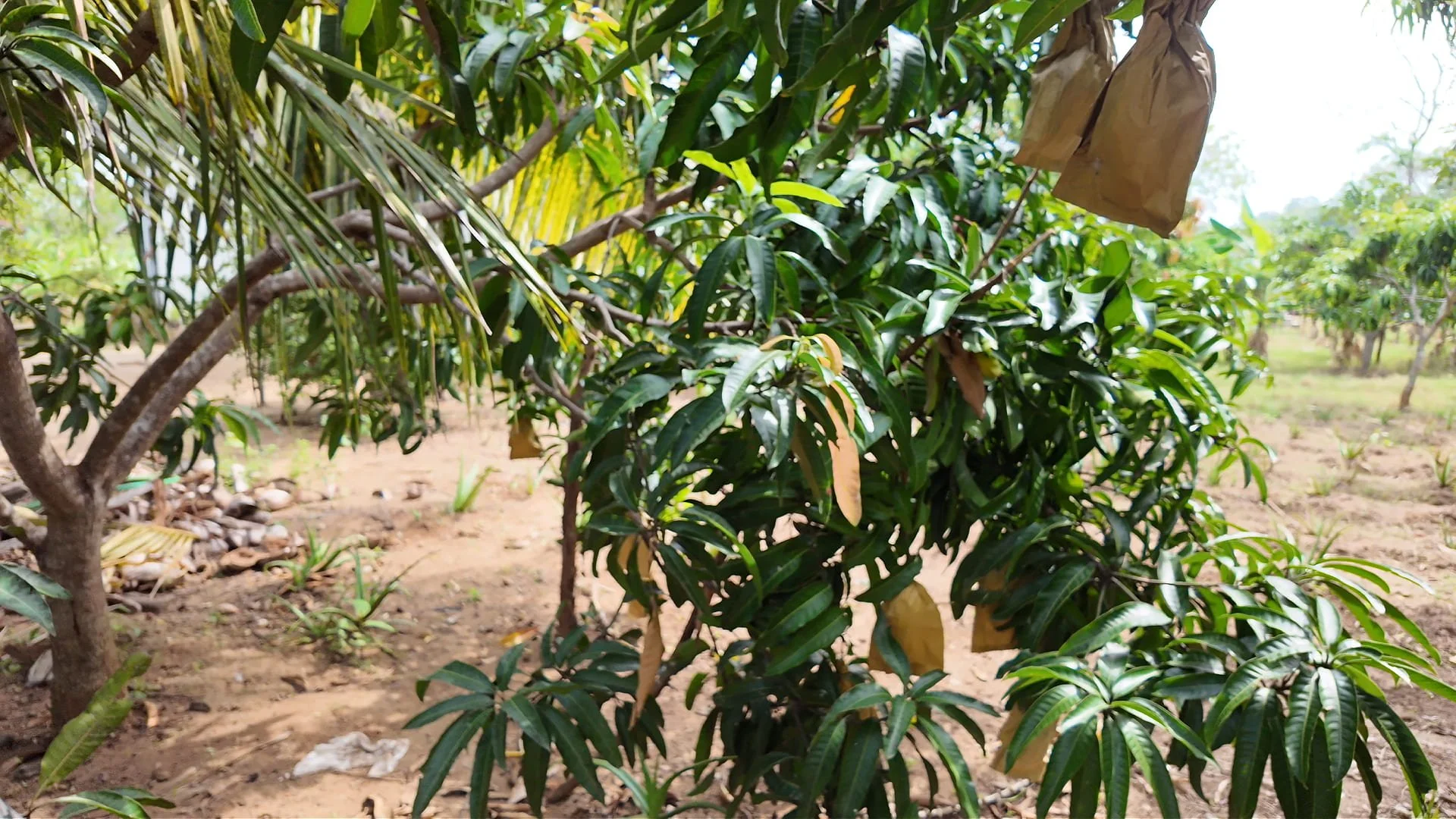
Go Yala Farm: Ripe mangoes are wrapped in paper bags—a simple, effective way to prevent wildlife from taking a bite.
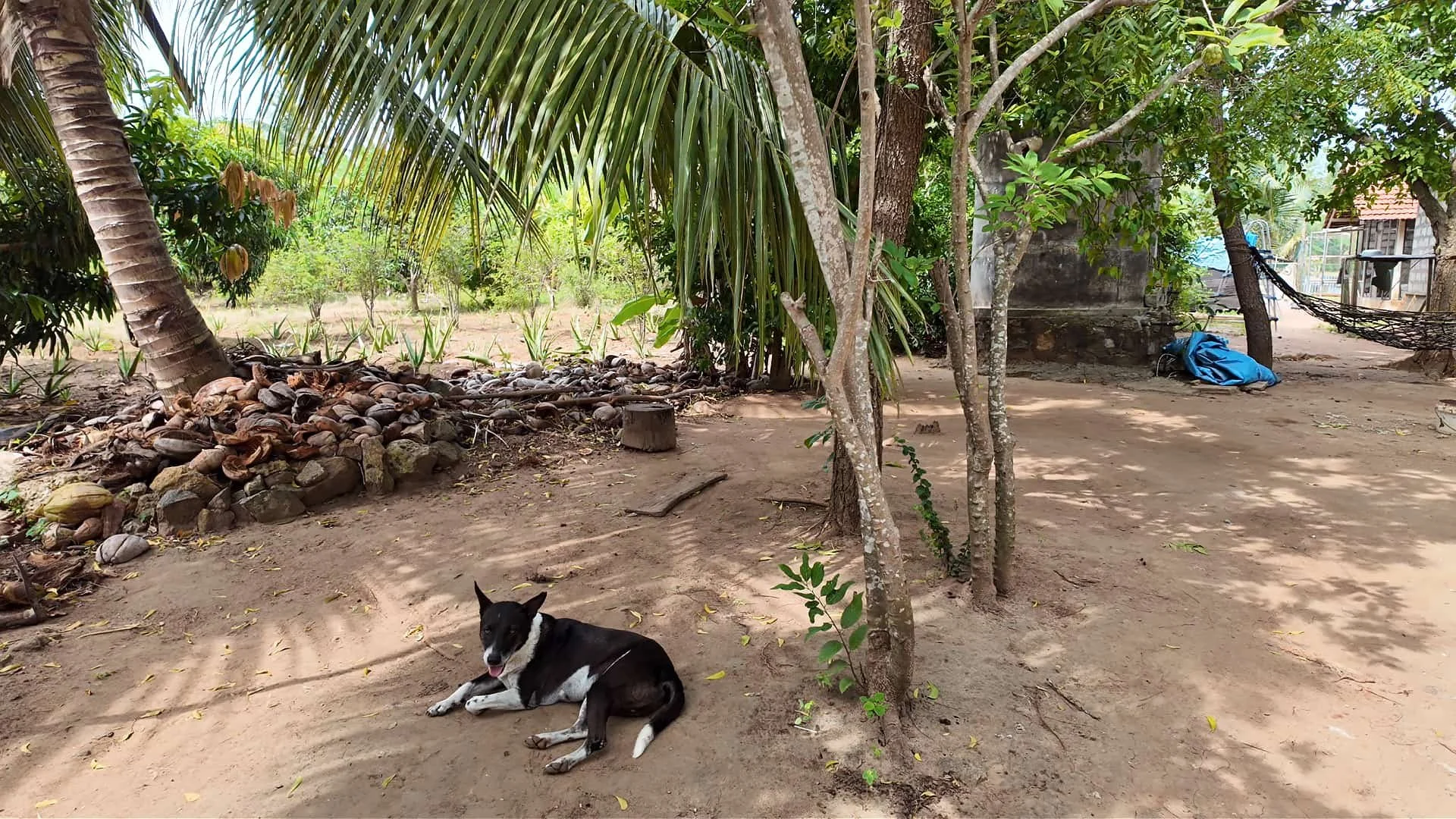
Go Yala Farm: One of the farm's resident dogs, essential for protecting the chickens from local monkeys.
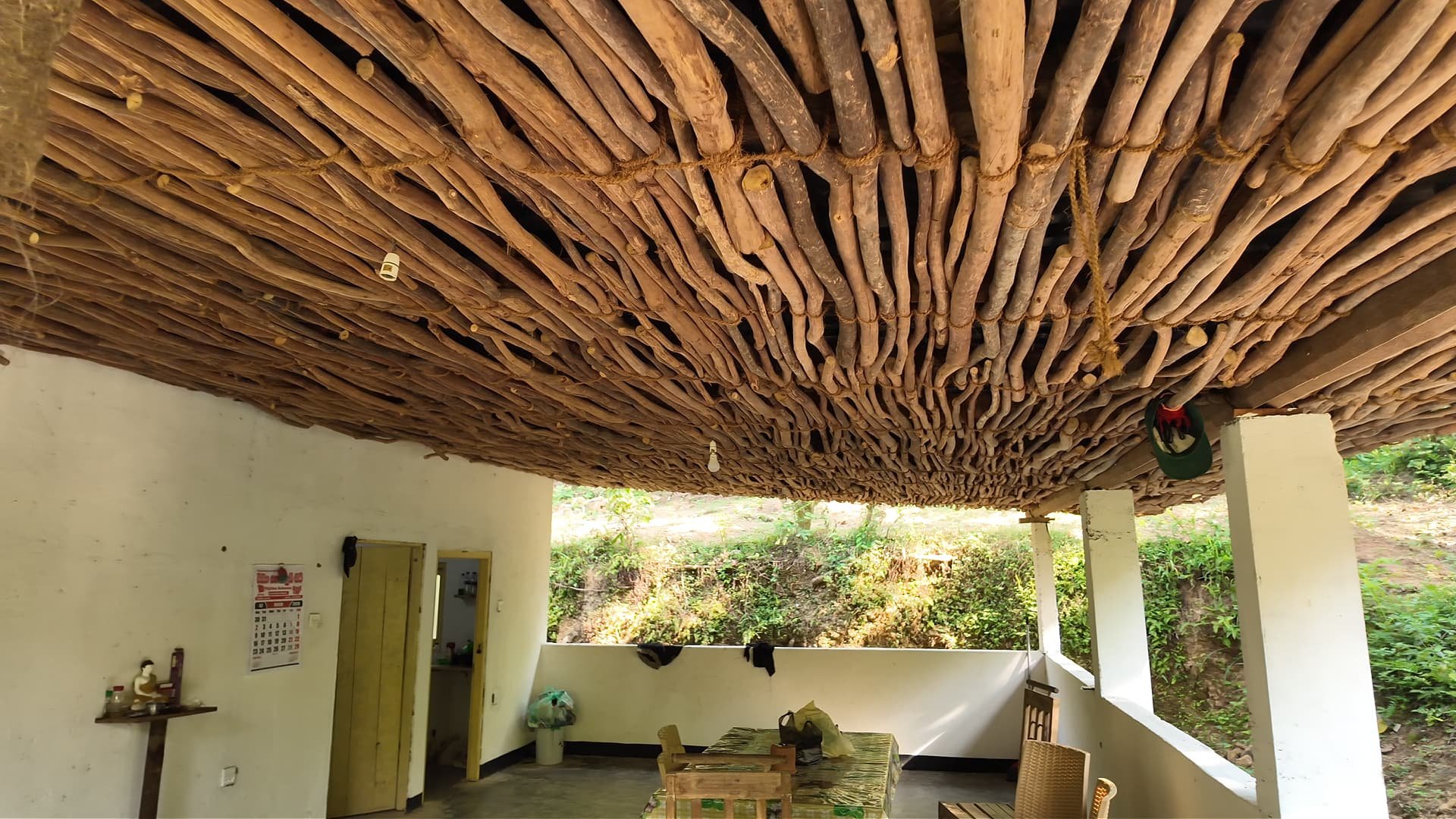
Tekanda Lodge: A creative use of local materials, featuring cinnamon sticks as a decorative roof finish.
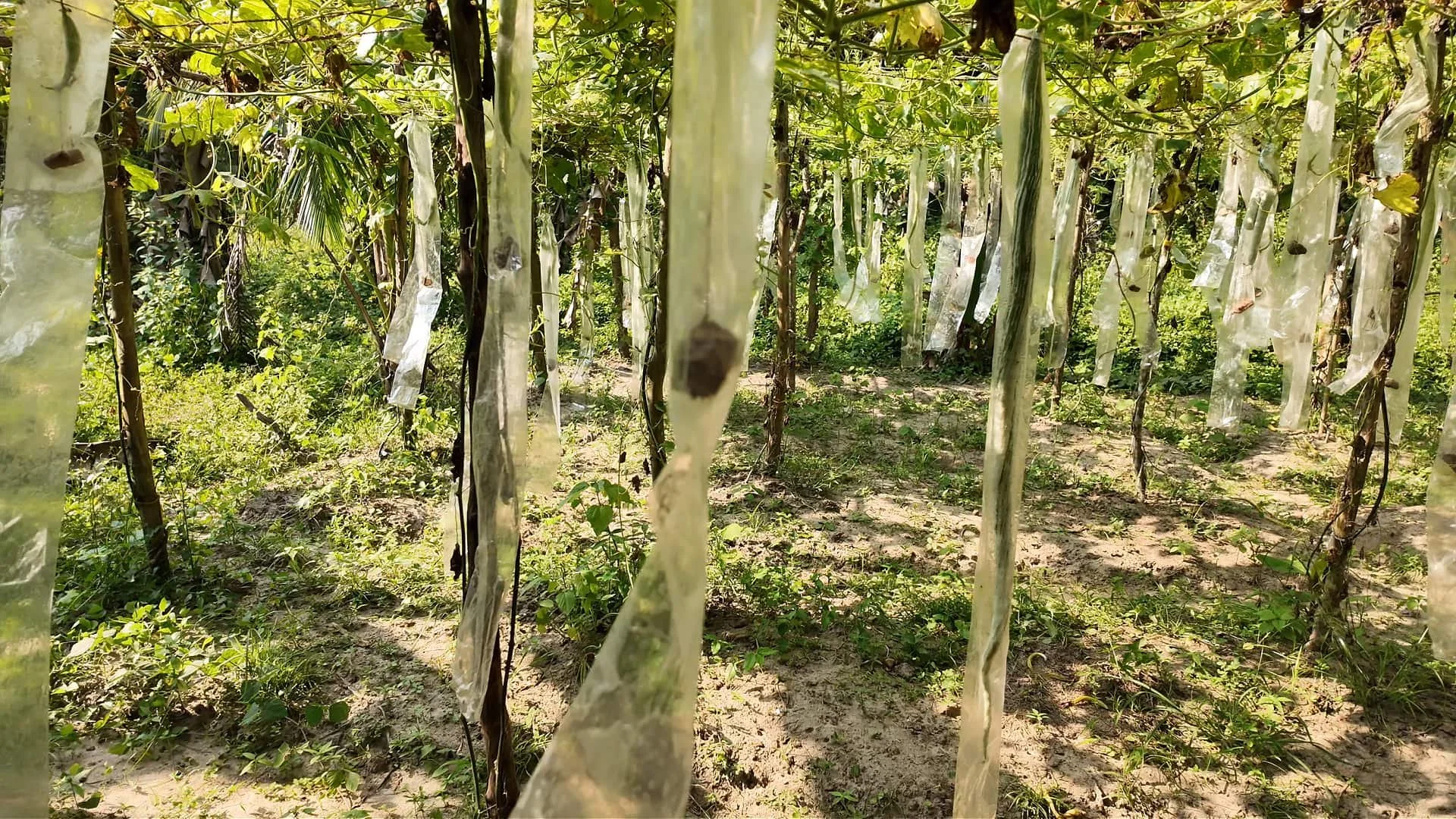
Midigama Fruit Farm: You see multiple snake gourds growing in polythene bags with a stone at the end for lengthy growth.
Nature as a Challenge
Peacocks and monkeys keep a close eye on your harvest; before you know it, your first ripe bananas are gone. Wild boars root through the soil in search of yams, and tiny fruit flies can cause your gourds to rot before they reach maturity. For estates with a wide variety of crops, managing these "residents" requires a mix of psychology and traditional low-cost tricks:
The "Disco" Effect: Hanging old CDs where the sunshine hits creates an unpredictable, flickering light that naturally scares away peacocks.
Monkey Mirrors: Monkeys are easily startled by their own reflection. Placing mirrors in strategic spots or imitating their alarm calls can send a troop scurrying back to the trees.
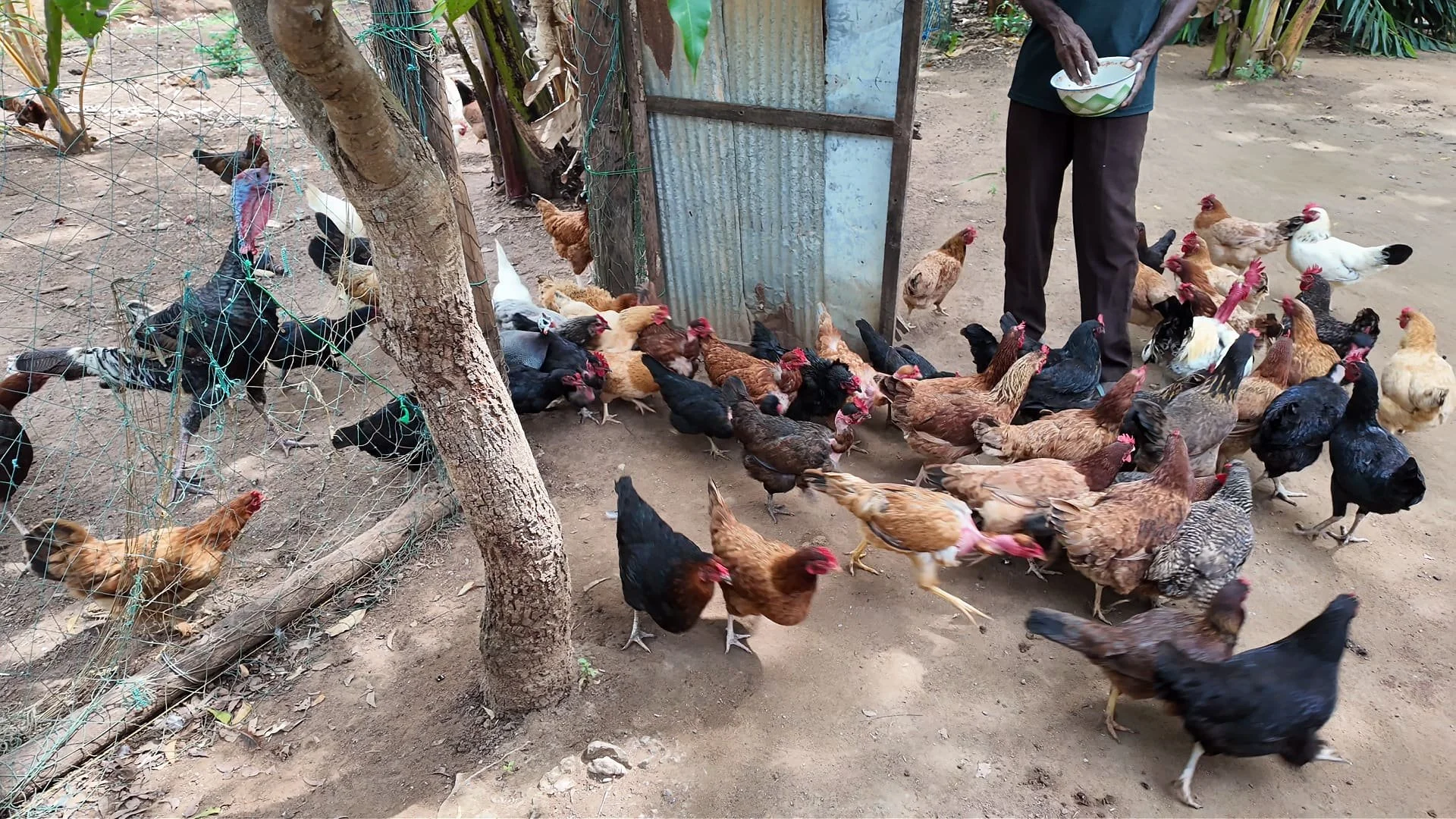
Canine Guardians: At Go Yala, dogs raised alongside chickens become fierce, natural protectors that instinctively keep monkeys away from the coop.
The Hard Border: To keep elephants at a safe distance near lakes or forests, estates use strategic electric fences and the occasional firecracker (a common local practice) during sunset hours.
The Plastic Shield: To prevent insects from laying eggs in your produce, hang a polythene sleeve over gourds at an early stage to keep them straight and blemish-free. For mangoes, wait until they are nearing maturity and the skin softens before "bagging" them. For gourds you want to grow vertically, tie a small stone to the end while it is still young. The weight guides it downward as it grows, keeping it straight without any special equipment.
The ultimate goal of coexistence
Every estate deals with wildlife differently, and some try not to worry too much as "monkeys also need to eat."
Wildlife preservation is about balance, not eradication. This means being smart: Never feeding wildlife and respecting local boundaries, such as avoiding elephant corridors during sunset.
AMBA Estate exemplifies this philosophy. By dedicating half of their 120-acre land to natural forest, they ensure that unique species like leopards, lorises, and pangolins have a permanent home. By giving nature its own space, they actually reduce human-wildlife conflict in guest areas. In the end, running a sustainable lodge isn't about fighting the wild, but about learning to live within it. After all, the wildlife of Sri Lanka is one of its greatest charms.